What Was Al-Andalus? Understanding Andalusian Muslim Spain

What Was Al-Andalus? Understanding Andalusian Muslim Spain

Al-Andalus Civilization 

When traveling through southern Spain or reading about its past, the name Al-Andalus often appears. For many visitors, it sounds intriguing yet unfamiliar. Was it a country, a culture, or simply a historical period?

Al-Andalus refers to the parts of the Iberian Peninsula that were governed by Muslims from the early eighth century until the late fifteenth century. For almost eight hundred years, this region developed into one of the most sophisticated and influential societies of medieval Europe, leaving behind a legacy that still shapes Spain today.

Al-Andalus was not a fixed political entity, but a civilization that evolved over centuries. Its borders changed and its rulers came and went, yet a shared Andalusian cultural and intellectual world emerged across the region.

This society became known for its urban life, scientific curiosity, artistic refinement, and engagement with knowledge. Andalusian cities flourished as centers of learning, where philosophy, medicine, astronomy, and mathematics were actively studied. Scholars wrote in Arabic, Latin, and Hebrew, contributing to an intellectual environment that connected Europe with the wider Islamic world.

A Land of Cultural Exchange 

One of the defining characteristics of Al-Andalus was its multicultural character. Muslim, Christian, and Jewish communities lived in close proximity for long periods, interacting in everyday life, administration, trade, and scholarship.

This environment of exchange allowed ideas to circulate across religious and cultural boundaries. Ancient texts were preserved and translated, scientific methods refined, and artistic traditions shared. While coexistence was not always free of conflict, the Andalusian experience remains a powerful historical example of cultural interaction in medieval Europe.

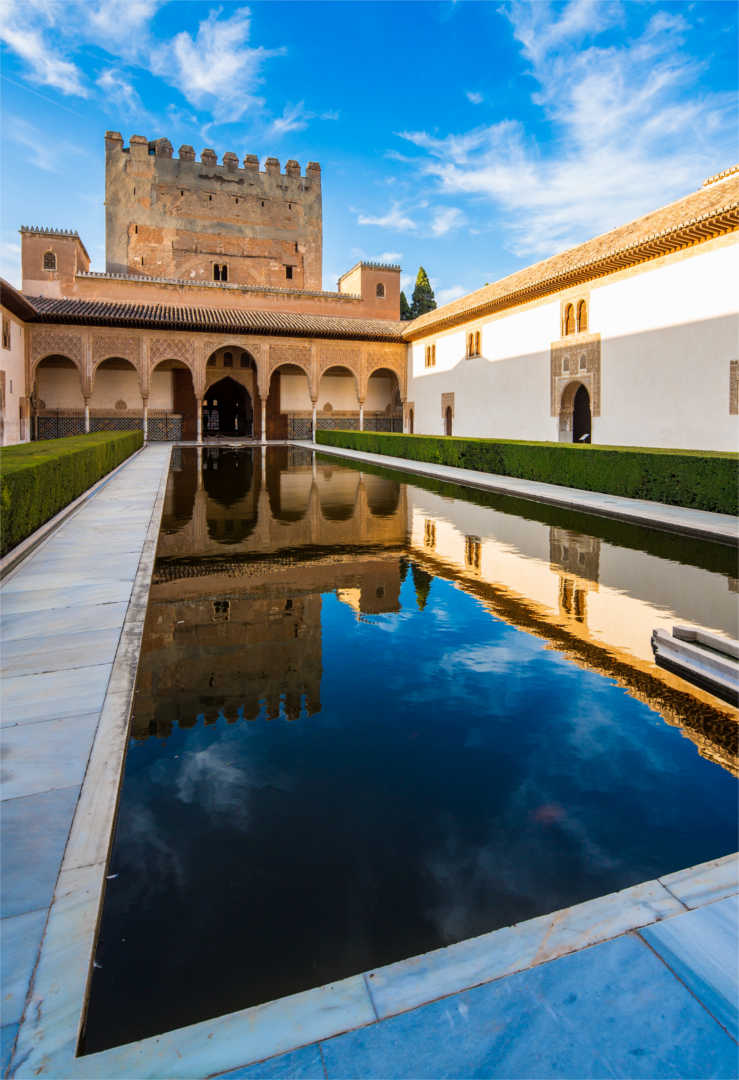
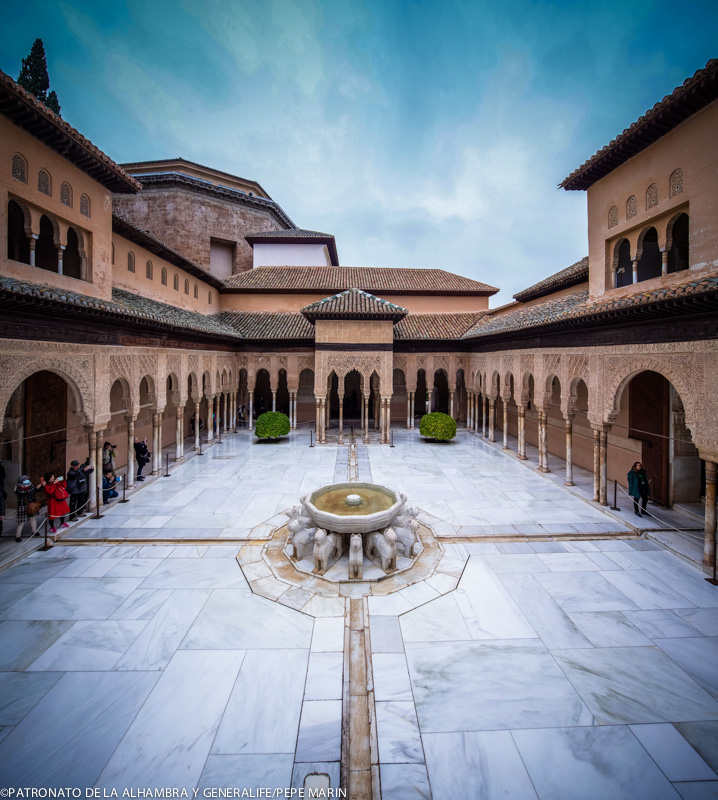
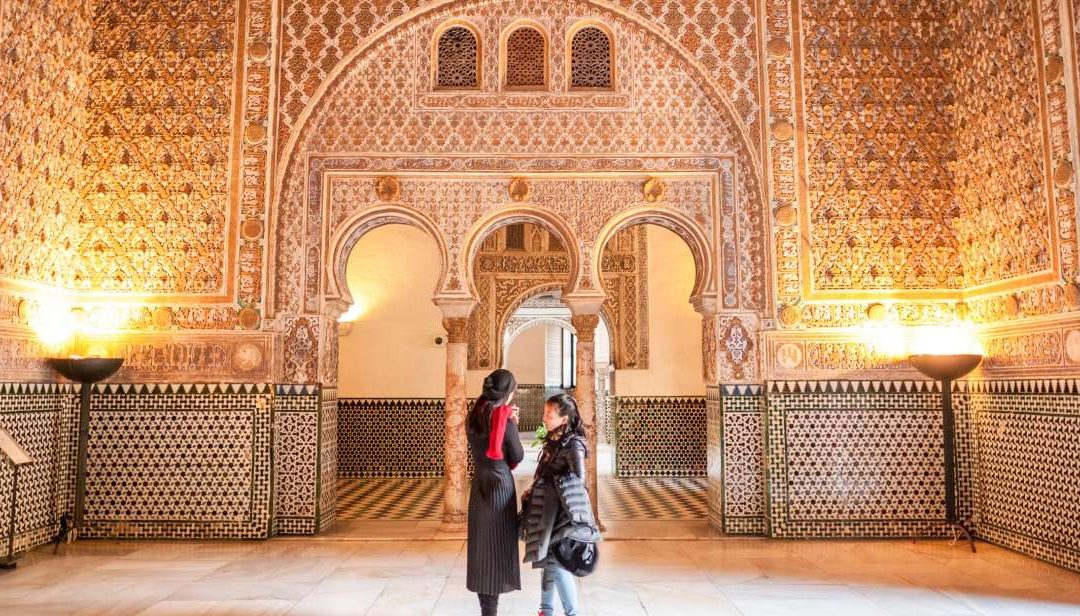
The material legacy of Al-Andalus is especially visible in its architecture and urban design. Andalusian buildings were conceived as harmonious spaces where light, water, geometry, and calligraphy played essential roles.

Courtyards, gardens, and fountains were not decorative additions but central elements reflecting a worldview in which nature and spirituality were deeply connected. This architectural language shaped palaces, mosques, fortifications, and residential quarters, many of which still define the historic landscapes of southern Spain.

The End of Al-Andalus and its Legacy

The political end of Al-Andalus came in 1492, when the last Muslim-ruled kingdom fell. However, its disappearance as a state did not erase its influence.

Andalusian culture survived through language, craftsmanship, agricultural practices, music, and collective memory. Thousands of Spanish words have Arabic roots, and traditional techniques remain visible in crafts and daily life. Al-Andalus did not vanish; it became woven into the cultural fabric of Spain.

Understanding Al-Andalus is essential for understanding Spain’s history and identity. It challenges simplified narratives of European history and highlights the profound contribution of Islamic civilization to the development of the West.

For modern travelers and readers, Al-Andalus offers historical depth, intercultural perspective, and a shared Mediterranean heritage that continues to resonate today.

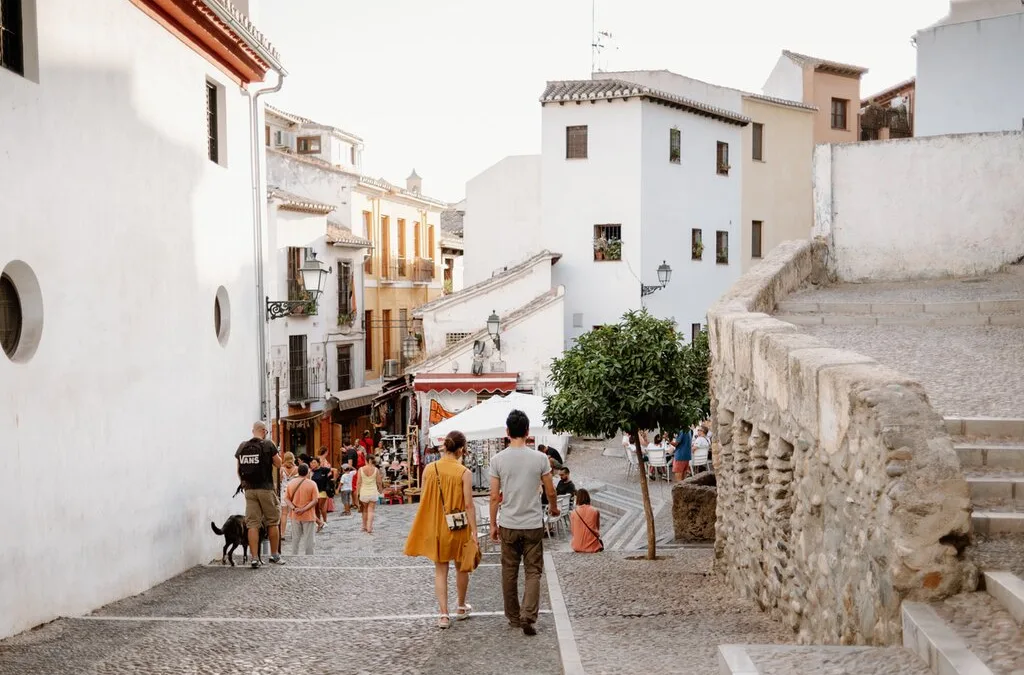
Today, many visitors seek meaningful cultural experiences rather than surface-level sightseeing. Walking through historic neighborhoods, observing Andalusian architecture, and learning about medieval Muslim Spain allows travelers to connect with a layered and often overlooked past.

Al-Andalus is not only a chapter in history books; it is a lived heritage that can still be felt, studied, and appreciated.

Granada Card: a smart way to explore Granada

Granada Card: a smart way to explore Granada

Granada Card: The Ultimate Tourist Pass for Visiting Granada

Visiting Granada? A Granada Card can be your best travel companion — it saves money, simplifies your visit, and gives you access to the city’s most iconic monuments and public transport all in one.


What Is the Granada Card?

The Granada Card is the official tourist pass of Granada that combines entry to the city’s major monuments and public transport during its period of validity. It was created to help visitors explore the city comfortably and efficiently, with fewer queues and better planning.

There is also a Kids Granada Card for children between 3 and 11 years old that includes the same services as the adult version.


What does the Granada Card include?

Each type of Granada Card includes a different kind of visit to the Alhambra. 

  • GRANADA CARD 24h – Night Visit to the Palaces Night visit: Nasrid Palaces only. 
  • GRANADA CARD 48h – General Ticket Daytime visit: Alcazaba, Nasrid Palaces, and Generalife.
  • GRANADA CARD 72h – General Ticket Daytime visit: Alcazaba, Nasrid Palaces, and Generalife.

 Note: The Alhambra visit must be booked for a specific date and time during purchase.

Monument Access

With the Granada Card you get paid admission to:

  • Alhambra – including the Nasrid Palaces, Generalife gardens, and Alcazaba (on a reserved date/time)
  • Cathedral of Granada
  • Royal Chapel
  • Monastery of San Jerónimo
  • Cartuja Monastery
  • Other museums and landmark sites included depending on the card’s duration. 

Check all the monuments included in Granada Card Types


The monuments included in your GRANADA CARD type, with the exception of the Alhambra, can only be visited once, during opening hours* within the validity days of the card, without booking in advance, except for:

Check the Monuments Opening Times in order to organize the visits and the choice of dates.

Public Transport

The nine bus tickets and the return trip on the tourist train can only be used during the validity period of the Granada cards. In these bus machines, you can collect your bus passes which can be used on every city bus line.

ONE TOUR on the tourist train. Hop on hop off service is not included. Access with QR.

Tips & Practical Info

✔ The Granada Card is nominative — your ID is required at monument entrances.
✔ You don’t need additional tickets for the included sites once you have the card and the printout.
✔ The card offers a ~30% saving compared to buying separately if you plan to visit many attractions.
✔ The Kids Card must be associated with an adult card (cannot be purchased alone).
✔ Some museums may be free for certain visitors (e.g., EU citizens), but the Granada Card always ensures access included if you’re planning multiple visits.

How to Purhcase the Granada Card?

During the purchase you will choose:

  1. - Granada Card type
  2. - Date for the visit to the Alhambra and time slot for the Nasrid Palaces (except the Granada card Gardens), depending on the chosen types.
  3. - Starting date for the validity

The Granada card can not be used until the chosen start date, which can not be changed.

Once the purchase is finished, you will receive a confirmation email with the "print at home" in an attachment. Without the "print at home" you cannot use the included services or visit the Alhambra.

The Granada cards are nominative and your ID will be required when visiting the Alhambra.

To visit the monuments, you just need the "print at home" on paper or on your smartphone. Direct access without going through the box office.

To use the tranportation, you need to collect the tickets in advance.

* The monuments may modify or suppress access for organizational or conservation reasons. The transport can be altered following the instructions of the Traffic Department (demostrations, processions, accidents,...)

Monuments will be closed on 25th December (Christmas) and 1st January (New Year). Alcazaba will be closed at 15.00 on 4th April 2026 (Holy Saturday)

To visit the monuments you just need the "print at home" on paper or on your smartphone.

The bus pass must be collected in the bus machines.

Granada cards available 3 calendar months in advance.

A stylish guide for shopping in Madrid including Muslim-Friendly Tips

A stylish guide for shopping in Madrid including Muslim-Friendly Tips

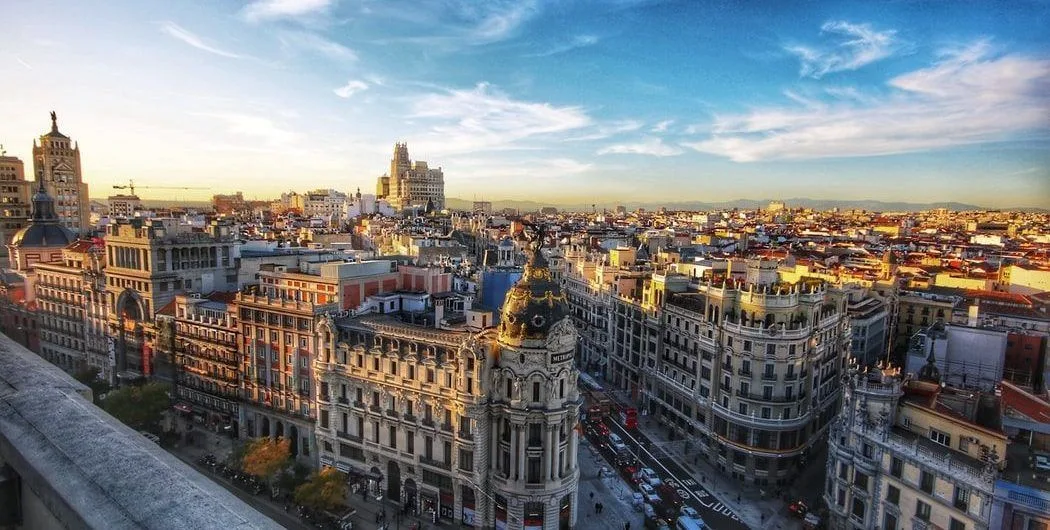
Madrid, Spain’s bustling capital, offers more than just vibrant culture and world-class landmarks—it’s a city full of unique shopping experiences for Muslim travelers. From luxury boutiques to hidden local gems, Madrid has something for everyone. What makes the Spanish capital particularly welcoming is the presence of halal-friendly restaurants, prayer spaces, and modest fashion options, all within a vibrant urban setting.

Madrid offers a wide range of shopping experiences for Muslim travelers, from luxury brands to hidden gems that reflect the city's diverse cultural influences. Whether you're after authentic Spanish crafts, modest fashion, or traditional souvenirs, the city is full of shops that cater to your needs while providing a unique shopping experience.

Make sure to plan your shopping around prayer times, and take advantage of the many halal dining options scattered around Madrid's shopping districts. With a bit of extra thought, you’ll be able to enjoy the best of what Madrid has to offer without missing any aspect of your faith.

Salamanca District – Luxury Shopping in Comfort

For those who enjoy high-end shopping, the Salamanca district is your destination. Known for its upscale boutiques, Calle Serrano is Madrid’s answer to the world’s luxury fashion hubs. The area is calm, refined, and offers a blend of international and Spanish designer brands.

  • What to Shop:
    • Luxury brands like Gucci, Louis Vuitton, and Chanel
    • Spanish designers with exclusive collections
    • High-end leather goods and accessories
  • Muslim-Friendly Tips:
    • The neighborhood is home to cozy cafés that serve halal options, providing a perfect break between shopping.
    • El Corte Inglés at Serrano offers modest fashion options, including long dresses and tunics, and halal food in its grocery section.

Gran Vía & Preciados – Central, Lively, and Accessible

If you prefer an energetic shopping experience, head to Gran Vía. This broad avenue is a central hub for international brands and iconic Spanish stores. Its Calle Preciados side street is perfect for finding trendy yet affordable pieces.

  • What to Shop:
    • Zara, Mango, Uniqlo, and H&M for stylish, modest fashion
    • Shoes, accessories, and handbags from both high-street and boutique brands
    • Spanish souvenirs like hand-painted tiles and artisanal jewelry
  • Muslim-Friendly Tips:
    • You’ll find plenty of modest-friendly clothing (loose blouses, long skirts, scarves) in the large stores.
    • Halal restaurants are easy to find in this district, offering everything from Mediterranean dishes to kebabs.


Arenal Street & Plaza Mayor: Traditional Spanish Goods

Arenal Street and the nearby Plaza Mayor area are iconic for a reason—they offer a charming mix of traditional Spanish shops and restaurants. If you’re looking to take home some authentic souvenirs or traditional Spanish crafts, this area will not disappoint.

    • What to Expect:

      • Spanish fans, ceramics, and handcrafted leather goods

      • Turrón (nougat) and Spanish sweets—ideal for gifts

      • Souvenir shops featuring local art, scarves, and hand-painted tiles

Muslim-Friendly Tips:

      • There are numerous halal eateries and cafés nearby.

      • The historic atmosphere of Plaza Mayor is perfect for a leisurely stroll after your shopping.


Lavapiés – Madrid’s Multicultural Heart

Lavapiés is an eclectic, multicultural neighborhood filled with authentic, diverse shopping experiences. Here, you’ll find everything from Middle Eastern markets to local Spanish boutiques, offering a real taste of the city’s melting pot of cultures.

  • What to Shop:
    • Handmade scarves, jewelry, and leather goods
    • Halal cosmetics and beauty products from Middle Eastern shops
    • Local crafts, antiques, and unique souvenirs
  • Muslim-Friendly Tips:
  • Lavapiés is one of Madrid's best neighborhoods for halal restaurants offering a wide range of cuisines, from Moroccan to Turkish.
    • The area is home to multiple mosques and prayer spaces, so it’s easy to combine shopping with religious duties.

El Rastro – Madrid’s Famous Flea Market 

    El Rastro is Madrid’s oldest and most famous flea market, held every Sunday and public holiday. It's the perfect spot for those looking to find vintage goods, handmade items, and affordable fashion.

    • What to Shop:
      • Antiques, second-hand clothing, and retro fashion
      • Artisan jewelry, leather bags, and handmade pottery
      • Local crafts and Spanish gifts

    Muslim-Friendly Tips:

    • Though it’s an open-air market, you’ll find modest clothing options among the vintage stalls.
      • There are street food vendors offering halal snacks, as well as nearby halal restaurants for a sit-down meal.


    Chamberí: Hidden Gems & Local Boutiques

      • For a more local and relaxed shopping experience, head to the Chamberí district. It’s a residential neighborhood, but it’s increasingly becoming known for independent boutiques and unique fashion finds. This district offers a peaceful alternative to the busy city center.
      • What to Shop:

        • Independent Spanish designers creating unique, modest pieces

        • Antique shops and vintage boutiques for retro fashion and accessories

        • Organic markets and artisan food stores

      • Muslim-Friendly Tips:

      • The boutiques often carry modest fashion (loose clothing, long skirts, tunics)

      • Cozy cafes and small halal-friendly spots line the quieter streets.

    • Santiago Bernabéu Stadium Area: Sporty & Fashionable

      For those who enjoy sporty fashion, the area surrounding the Santiago Bernabéu Stadium offers a mix of high-end sportswear and casual, modest-friendly styles. The area is perfect for travelers looking for activewear, casual clothing, and branded sports goods, especially if you want to take home something special from Spain’s football culture.

      • What to Expect:

        • Adidas, Nike, and Puma stores with modern athletic fashion

        • Spanish sports brands offering comfortable, modest styles for everyday wear

        • Special edition Real Madrid memorabilia

      •   Muslim-Friendly Tips
        • Modest sportswear options such as long tops and loose pants

        • International and local brands often cater to a wider range of tastes and preferences.

        • The surrounding area has various halal-friendly restaurants and cafés.

    •  
    •  Centro Comercial Príncipe Pío: Modern Mall with Prayer Space
    •  The Príncipe Pío Shopping Center offers everything from high-street brands to affordable fashion, but what makes it especially useful for Muslim visitors is the dedicated prayer space available inside the mall. It’s one of the few malls in Madrid where you can shop and then comfortably attend to religious obligations without leaving the area.
      • What to Expect:

        • A mix of Spanish and international brands such as H&M, Zara, Pull & Bear, and more

        • A variety of affordable fashion options, including modest wear like loose trousers and oversized shirts

        • Halal restaurants and international food chains in the food court

      • Why It Works for Muslim Travelers:

        • Convenient access to a prayer space makes it ideal for extended shopping trips.

        • Central location close to public transport and easy access to nearby attractions.

        • Wide range of family-friendly activities and sh

    El Corte Inglés (Callao & Castellana) – More Than Just a Department Store

    While El Corte Inglés is a well-known department store, the locations in Callao and Castellana provide unique advantages for Muslim travelers. Known for offering duty-free shopping for tourists, you can find both luxury items and everyday goods in a single location. They also cater well to international visitors, offering a wide variety of halal food options within their grocery sections.

    • What to Shop:

      • Luxury brands alongside affordable Spanish and international fashion

      • Dedicated areas for cosmetics, modest wear, and home décor

      • Special tourist discounts and tax-free shopping services

    • Why It Works for Muslim Travelers:

      • The stores often stock modest fashion pieces, such as long dresses and tunics.

      • Halal food available within the supermarket section of El Corte Inglés.

      • Central locations make it convenient to visit after touring Madrid’s historic sites.


    Is Spain safe for muslim travelers?

    Is Spain safe for muslim travelers?

    Muslims travel throughout Spain every day, including women wearing hijab and families traveling with children. In major cities and tourist areas, this is completely normal. Spain is considered one of the safest countries in Europe, and incidents related to religion are rare in everyday travel experiences.

    What makes Spain especially meaningful for Muslim visitors is its Islamic heritage. For almost eight centuries, much of the country was part of Al-Andalus. Cities such as Granada, Córdoba, Seville, and Toledo still preserve Islamic architecture, urban design, and cultural memory. For many Muslim travelers, visiting these places is not only sightseeing, but a reconnection with history and identity.

    From a practical point of view, traveling halal in Spain is increasingly easy. Halal food is widely available in cities like Madrid, Barcelona, Granada, and Málaga, with many Moroccan, Middle Eastern, Turkish, and South Asian restaurants. Seafood and vegetarian dishes are also common, and halal butcher shops can be found in most large cities.

    Mosques and Islamic centers exist across Spain, and Muslims are free to practice their religion openly. While prayer rooms inside monuments or attractions are limited, mosques are usually accessible within urban areas, making daily prayers manageable with light planning.

    Spain does have a social culture where alcohol is present, but this does not define the country. Muslim travelers can easily avoid nightlife-focused environments and enjoy Spain through its history, nature, gastronomy, and family-friendly experiences. Many travelers choose private or halal-focused tours to ensure comfort, flexibility, and respect for their values.

    Overall, Spain is a safe and rewarding destination for Muslim travelers. With its rich Islamic legacy, friendly atmosphere, and expanding halal tourism services, it offers the possibility to travel with peace of mind while experiencing a deep cultural and spiritual connection.

    Guide to the Alhambra: Exploring Its Palaces, Gardens and Fortress

    Guide to the Alhambra: Exploring Its Palaces, Gardens and Fortress

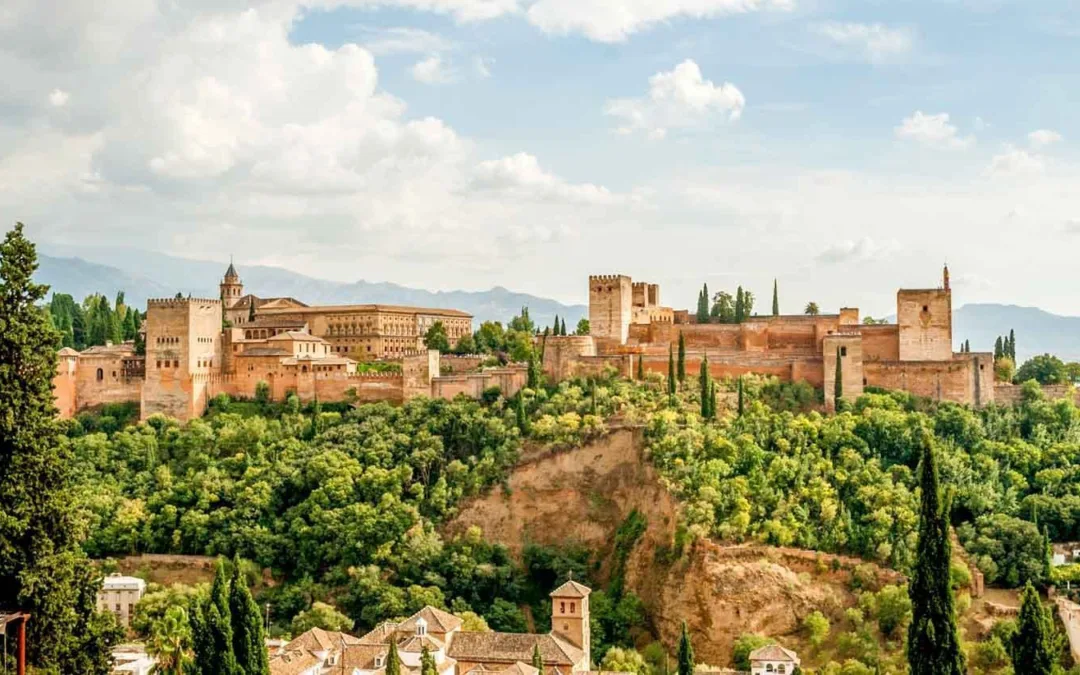
    The Alhambra in Granada is not just a single building—it is a vast and breathtaking complex that combines royal palaces, defensive walls, lush gardens, and serene courtyards. As one of Spain’s most visited UNESCO World Heritage Sites, the Alhambra offers travelers a journey through centuries of Islamic art, Nasrid architecture, and later Christian influences.

    From the intricate mosaics of the Nasrid Palaces to the panoramic views from the Alcazaba fortress, every area tells a unique story. The peaceful Generalife Gardens reveal the sophistication of medieval landscaping, while the imposing Charles V Palace reflects the Renaissance ambition of a new era. Visitors can wander through winding pathways, explore ornate halls, and relax in shaded patios where water, light, and geometry create a timeless harmony.

    Whether you are planning your first visit or returning to uncover hidden details, understanding the different areas of the Alhambra will enrich your experience and help you appreciate why this monument continues to inspire millions around the world.

    THE ENCLAVE

    The Alhambra is the main enclave of a complex territorial structure, demonstrating its importance through its dominion over the city of Granada.

    Granada corresponds with the historic hilltop city model, surrounded by mountains and irrigated by the rivers Darro and Genil, the first dividing the land into two opposite fronts which determined the construction of the medieval city. The hills around the Darro are those of San Cristóbal (760m) on the right bank of the river and Sabika (790m), on the left bank. The Alhambra stands on the latter.

    It was no accident that Muhammad I (1237-1273) selected a place with such privileged geographic conditions, also taking into account the existence of previous large fortified constructions. The high locations of cities have special characteristics and are due to geopolitical decisions consistent with the medieval mentality.

    Dominance of the location and control of territory were everything in the organization of a kingdom in the 13th century, in which both military power and administrative organization required an enclave which safeguarded the physical presence of power over the city, while keeping it separated from it.

    LOCATION

    The Alhambra stands on the hill of Sabika, which penetrates inland to a fertile plain, as the last bastion of the Sierra Nevada, facing Albaicín and Sacromonte, between the Darro and Genil river basins.

    Surrounded by mountains, Arabic writers compared Granada to a crown, with the jewel of the Alhambra protruding from it.

    The history of the Alhambra’s constructions is closely related with the city of Granada, of which there is archaeological documentation of overlapping walls from the Iberian, Roman and Islamic period, successively.

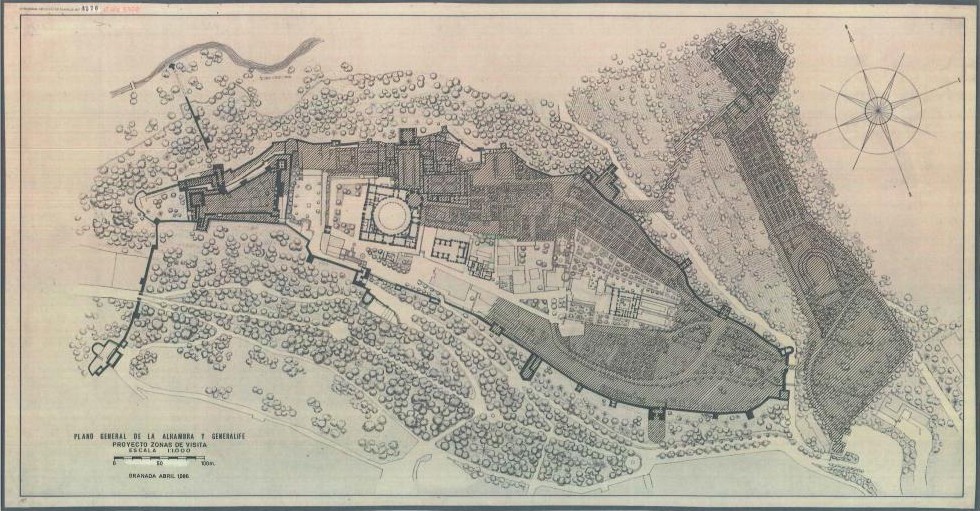
    The Alhambra that we see today was not built at one specific time. It was formed gradually, adding new constructions, grouped as cells, enriching its architectural and urban development.

    STRUCTURE

    This enormous “stranded vessel” on the hill, as classical historians called it, was formed gradually, adding new constructions.

    The Alhambra is the result of development over almost two and a half centuries under the Nasrids, as well as the previous constructions, along with the important contributions and modifications made in the Christian period, and which continued practically until the present day.

    In this way, the Alhambra that we know today was structured, with the most important milestones detailed below:

    La Alcazaba

    Icono ojo

    LA ALCAZABA

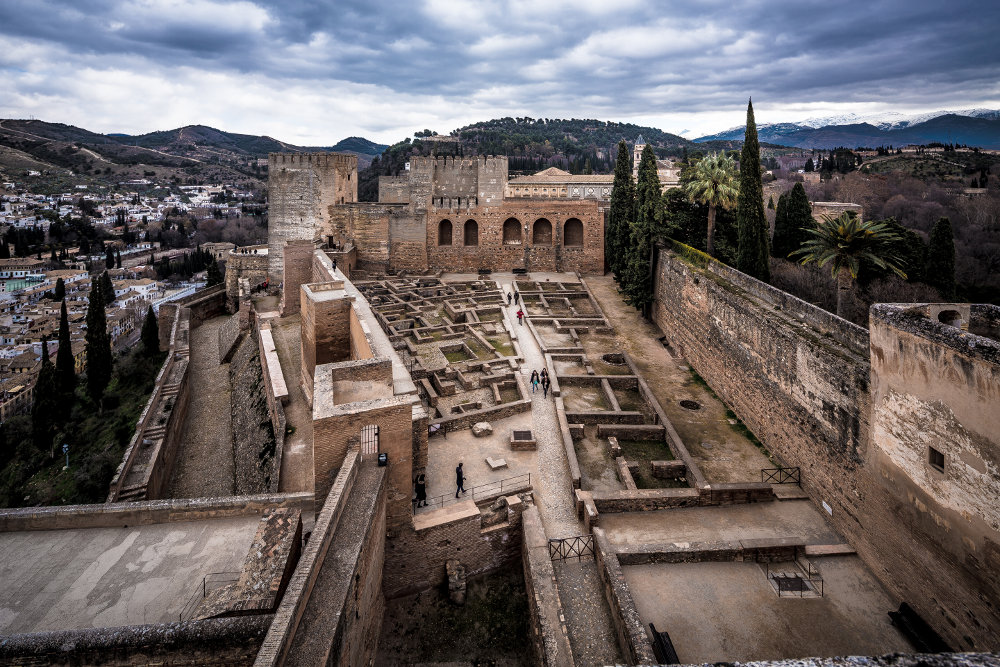
    Possibly the oldest occupied place in the whole of the Alhambra, or at least the part from which the oldest information comes. Its location, on the highest area of the hill, makes it a privileged place for observation and monitoring of the surroundings, of the city, the plain and its points of access.

    The triangle marked on the ground survives from the 11th century constructions, although the only certainty of this period is the section of the interior wall to the north, and the door of its upper enclosure. In the 12th century, the Almoravids carried out some work and adaptations on the Alcazaba.

    La Alhambra Fortificada

    Icono ojo

    THR FORTIFIED ALHAMBRA

    In the 13th century, the Nasrids gave the Alcazaba its current appearance, adding large towers to it: the Vela tower to the west and the Homenaje, Quebrada and Adarguero towers to the east. The whole enclosure was surrounded on the exterior with a patrol road and the important access through the Puerta de las Armas.

    From then, the walling and fortification of the whole perimeter of the Alhambra began with its walls, adding some towers and doors at intervals along its perimeter.

    Primeras Construcciones

    Icono ojo

    FIRST CONSTRUCTIONS

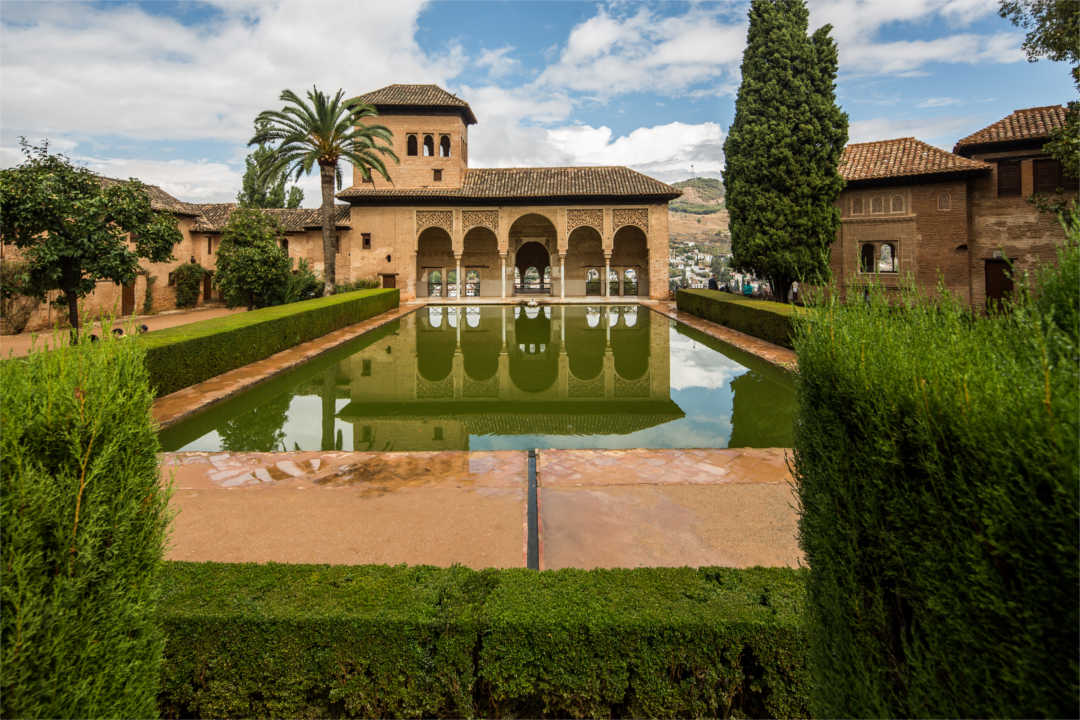
    With the structure of the inner walls defined, the first palaces were built. A large Mexuar preceded by patios lay before the Palacio de Isma’il, which no longer stands. The Generalife and the essential core of the Palacio del Partal, the oldest surviving Nasrid constructions, shape a palatial space open toward the city, designed as a palatial area of buildings, enclosures and gardens.

    Palacio de Comares

    Icono ojo

    PALACIO DE COMARES

    On some of the previous constructions, adding and modifying structures, Yusuf I became the first great builder of the Alhambra. Although he would not see it completed, he built the Palacio de Comares, as well as the large Puertas de la Justicia and Siete Suelos, along with many other constructions and decorations of the Alhambra.

    In the first half of the 14th century, the Mosque, the Rauda, the Madraza and the Palacios de San Francisco and Abencerrajes were added.

    Palacio de los Leones

    Icono ojo

    PALACIO DE LOS LEONES

    In the second half of the 14th century, a great modification was made to the internal structure of the Alhambra. Coinciding with the second mandate of Muhamnad V, in the most prolific period for the Nasrids, he decorated and redecorated the majority of the spaces that we see today.

    His great construction, the Palacio de los Leones, breaks away from the usual architectural layout, bringing new aesthetic and formal concepts which were also reflected in the administration of the State and the matters of the Court.

    La Alhambra cristiana

    Icono ojo

    THE CHRISTIAN ALHAMBRA

    The final and most radical transformation of the Alhambra occurred after the conquest. New concepts imposed new uses with significant modifications to buildings and urban elements.

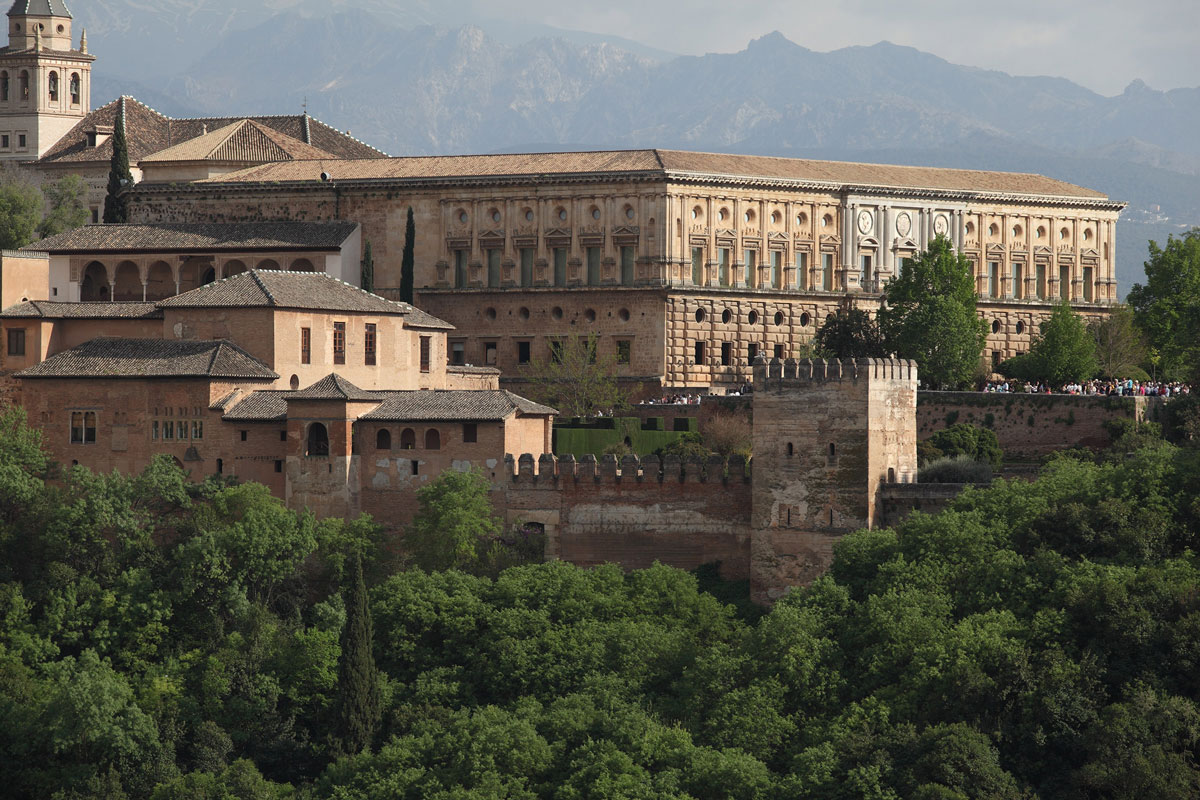
    The main modification is certainly the Palacio de Carlos V which, although never having been finished, added a new volume to the buildings of the Alhambra, inserting itself, like its predecessors, as another space.

    In the 16th century, the outer wall was added to the east of the Alcazaba with the circular Cubo tower, and the large Tendilla cistern at its base. In the 17th century, the Jardín de los Adarves was created between the southern walls.

    The Patios of Lindaraja and La Reja, the Church of Santa María, the Convent of San Francisco, and the Pillar of Carlos V, are some of the contributions to the Alhambra, contributing to creating its rich cultural stratification.

    LANDSCAPE

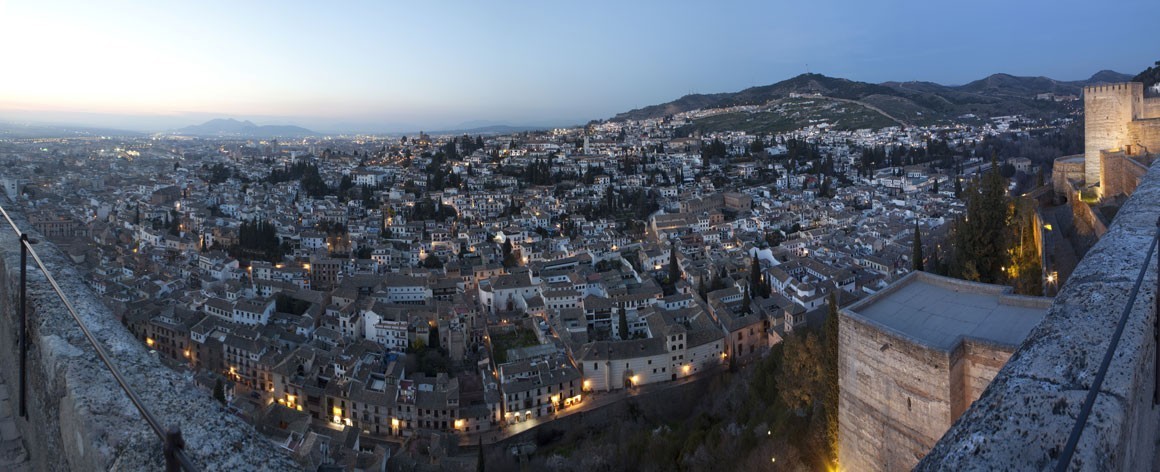
    The Alhambra stands on the hill of la Sabika, between the Darro and Genil river basins. Surrounded by mountains, Arabic writers compared Granada to a crown, with the jewel of the Alhambra protruding from it.

    Without doubt, the Alhambra occupies a privileged location, where its architectural values are combined and perfectly integrated with the urban surroundings and the landscape in which it is immersed.

    To appreciate the architectural and scenic values of the Alhambra, it is recommended to visit the Albaicín quarter (Mirador de San Nicolás) or Sacromonte. From these points, the spectacular relationship of the Alhambra with the territory and the city of Granada can be observed.

    Discover Córdoba’s Artisan Workshops

    Discover Córdoba’s Artisan Workshops

    Discover Córdoba’s Artisan Workshops

    A Journey Into Córdoba's Craftsmen

    In the heart of Córdoba’s historic Jewish Quarter lies a vibrant world of craftsmanship, tradition, and artistry. “Tallereando: A Journey Through Córdoba’s Handicrafts” invites visitors to explore 13 artisan workshops that represent the city’s cultural richness and dedication to traditional crafts.

    Our Home is Yours: Córdoba’s Zone of Artisan Interest

    The Municipal Zoco of Córdoba, established in 1959 as Spain’s first artisan market, has long served as the hub for local craftspeople. In 1987, it became the home of the Asociación Cordobesa de Artesanos (ACA). Thanks to ACA’s efforts, Córdoba’s historic center was declared a “Zone of Artisan Interest” (ZIA) in 2014 by the Junta de Andalucía.

    This designation highlights areas where traditional crafts flourish, promoting artisan employment, especially among women, fostering collaboration, and modernizing workshops while preserving time-honored techniques.


    Meet the Artisans – 13 Workshops, One Cultural Heritage

    Visiting these workshops is not only a cultural experience but a way to support the living heritage of Córdoba. Learn more and plan your artisan tour at artesaniadecordoba.com

    Erreuzeta – Ricardo Ruz (Glass) A master of glass artistry, Ricardo transforms raw materials into vibrant decorative works through both contemporary and traditional techniques.

    Meryan (Leather) Specialists in fine leather goods, Meryan blends Córdoba’s historic marroquinería techniques with elegant, modern design.

    Pardal – Luis Cloves (Leather) Focused on leather craftsmanship, Pardal creates custom pieces with meticulous attention to detail and Andalusian flair.

    Casa-Museo del Guadamecí Omeya (Leather Art) A unique space dedicated to Guadamecí, an ancient Andalusian technique of gilded, painted leather—both a workshop and museum.

    Alfar Baraka (Ceramics) Reviving traditional Andalusian ceramic art, this workshop is known for hand-thrown pottery and intricate designs.

    Disimusa (Artisanal Jewelry) Blending creativity with craftsmanship, Disimusa produces one-of-a-kind jewelry pieces using diverse materials.

    Pepita Polonio (Ceramics) Known for colorful and expressive ceramic pieces that capture Córdoba’s vibrant cultural essence.

    El Taller del Artesano (Leather) Producing custom leather items, from belts to bags, all crafted using traditional hand-stitching methods.

    Platería Califal (Silversmithing) This workshop brings ancient caliphal silver designs to life, creating ornate jewelry and decor.

    Artesanía Creativos (Polymer Clay) A modern approach to traditional art using polymer clay to craft detailed, innovative decorative pieces.

    Curpai (Leather) Curpai specializes in customizable leather items, blending utility and aesthetic with artisan precision.

    Guitarrería José Rodríguez (Lutherie) José is a master luthier, crafting handmade guitars that resonate with musical and artistic perfection.

    Vidriomundo (Glass Art) Dedicated to stained glass and artistic glasswork, Vidriomundo adds color and light to everyday objects.

    Cerámicas Rakú (Ceramics) Inspired by Japanese rakú, this workshop fuses fire and clay into textured, unique ceramic pieces.