
Muslims travel throughout Spain every day, including women wearing hijab and families traveling with children. In major cities and tourist areas, this is completely normal. Spain is considered one of the safest countries in Europe, and incidents related to religion are rare in everyday travel experiences.
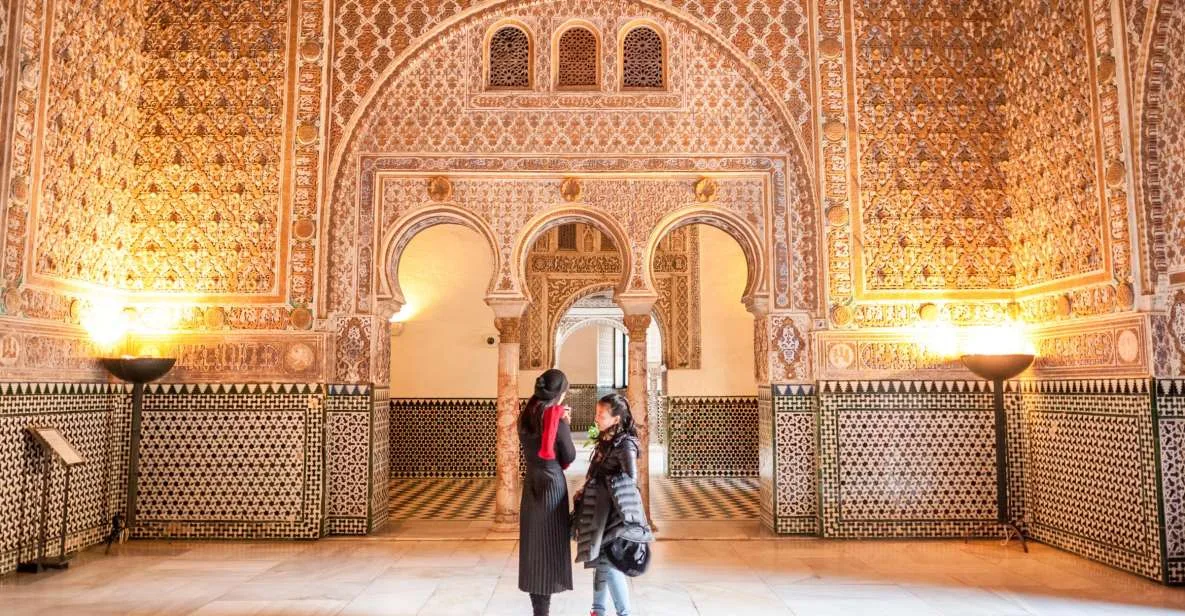
What makes Spain especially meaningful for Muslim visitors is its Islamic heritage. For almost eight centuries, much of the country was part of Al-Andalus. Cities such as Granada, Córdoba, Seville, and Toledo still preserve Islamic architecture, urban design, and cultural memory. For many Muslim travelers, visiting these places is not only sightseeing, but a reconnection with history and identity.
From a practical point of view, traveling halal in Spain is increasingly easy. Halal food is widely available in cities like Madrid, Barcelona, Granada, and Málaga, with many Moroccan, Middle Eastern, Turkish, and South Asian restaurants. Seafood and vegetarian dishes are also common, and halal butcher shops can be found in most large cities.
Mosques and Islamic centers exist across Spain, and Muslims are free to practice their religion openly. While prayer rooms inside monuments or attractions are limited, mosques are usually accessible within urban areas, making daily prayers manageable with light planning.
Spain does have a social culture where alcohol is present, but this does not define the country. Muslim travelers can easily avoid nightlife-focused environments and enjoy Spain through its history, nature, gastronomy, and family-friendly experiences. Many travelers choose private or halal-focused tours to ensure comfort, flexibility, and respect for their values.
Overall, Spain is a safe and rewarding destination for Muslim travelers. With its rich Islamic legacy, friendly atmosphere, and expanding halal tourism services, it offers the possibility to travel with peace of mind while experiencing a deep cultural and spiritual connection.