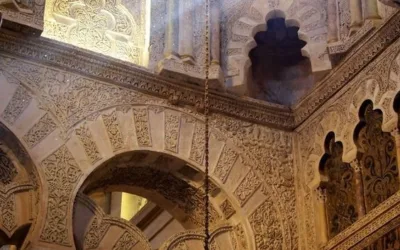
Cordoba: Discover the Historic Heart of Al-Andalus
Cordoba is one of Spain’s most extraordinary cities and an essential destination for anyone interested in history, architecture, and the legacy of Al-Andalus. Once the capital of the Umayyad Caliphate and one of the largest, wealthiest, and most intellectually advanced cities in medieval Europe, Córdoba remains a living museum where Roman, Andalusi, Jewish, and Christian heritage coexist within a remarkably preserved historic centre.
Today, the city offers far more than its famous Mosque-Cathedral. Hidden courtyards overflowing with flowers, narrow medieval streets, elegant palaces, traditional taverns, archaeological remains, and the tranquil banks of the Guadalquivir River invite visitors to slow down and explore. Recognised as a UNESCO World Heritage Site, Córdoba rewards those who look beyond its monuments and discover the stories that shaped one of Europe’s greatest civilizations.
Whether you are visiting for a day or planning a longer stay, Córdoba offers an unforgettable journey through more than two thousand years of history.
Spring is widely considered the best season to visit Córdoba. Pleasant temperatures coincide with several famous festivals, including the Patios Festival, the Battle of the Flowers, and the May Fair. Autumn also offers comfortable weather and fewer crowds, making it ideal for sightseeing.
Córdoba’s origins date back to Roman times, when it became an important provincial capital of Hispania. The Romans left behind impressive engineering works, including the iconic Roman Bridge, sections of the city walls, and the Temple of Claudius Marcellus.
Following the arrival of Islam in the Iberian Peninsula in the early eighth century, Córdoba entered its golden age. In 756, Abd al-Rahman I established the Umayyad Emirate of Córdoba after escaping the Abbasid revolution in Damascus. He transformed the city into the political and cultural centre of Al-Andalus and began the construction of the Great Mosque, one of the masterpieces of Islamic architecture.
The city’s greatest period came under Abd al-Rahman III, who proclaimed himself Caliph in 929. During the tenth century, Córdoba became one of the largest cities in the world, with a population estimated between 300,000 and 500,000 inhabitants. It rivalled Constantinople and Baghdad as a centre of learning, science, philosophy, medicine, astronomy, literature, and commerce.
Scholars from different faiths worked side by side in its libraries, schools, and workshops. The city became renowned for its physicians, mathematicians, philosophers, architects, and craftsmen, whose influence extended across Europe and the Mediterranean.
After the collapse of the Caliphate in the early eleventh century, Córdoba gradually lost political power but retained its cultural importance. In 1236, King Ferdinand III incorporated the city into the Kingdom of Castile. Many Islamic buildings were adapted to Christian use while preserving much of their original architecture, creating the unique cultural landscape visitors admire today.
TOP ATTRACTIONS
The Mosque-Cathedral
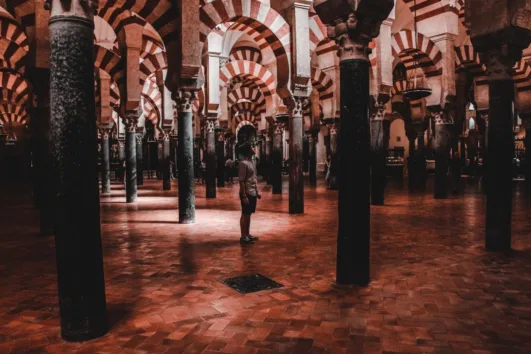
The Mosque-Cathedral is undoubtedly the city’s most iconic landmark and one of the most extraordinary buildings in the world.
The Former Madinat Qurtubah & Jewish Quarter
Small squares, artisan workshops, traditional patios, and hidden courtyards create an intimate atmosphere perfect for leisurely walks within the city walls.
The Roman Bridge & Calahorra Tower-Museum
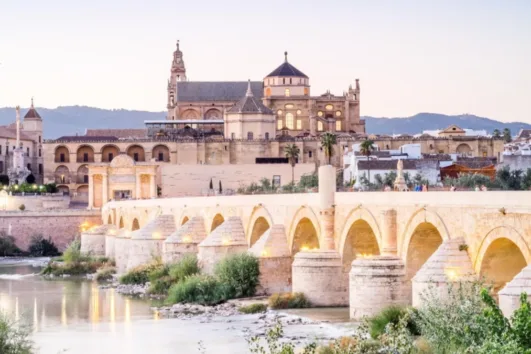
Long before becoming the capital of Al-Andalus, Córdoba was an important Roman city. The Roman Bridge, stretching across the Guadalquivir River, has connected both sides of the city for nearly two thousand years. Although restored over the centuries, much of its structure remains faithful to its Roman origins.
At one end stands the Calahorra Tower, originally an Islamic defensive fortress later adapted by Christian rulers. Today it houses an interesting museum exploring medieval Córdoba’s cultural diversity.
Córdoba’s Famous Courtyards
One of Córdoba’s most beloved traditions is the decoration of private courtyards with hundreds of flowers, fountains, ceramic pots, citrus trees, and fragrant plants.
Originally inspired by Roman domestic architecture and later refined during the Andalusi period, these patios provide natural cooling during the hot Andalusian summers.
Every May, the city celebrates the Festival of the Patios, when residents open their beautifully maintained courtyards to visitors. The festival has been recognised by UNESCO as Intangible Cultural Heritage.
Even outside festival season, several patios remain open throughout the year, offering a glimpse into this unique local tradition.
Palaces & Squares
The Alcázar de los Reyes Cristianos combines medieval fortifications with beautiful gardens, fountains, and towers overlooking the Guadalquivir.
The Plaza de la Corredera, unlike any other square in Andalusia, reflects Castilian urban design and serves as a lively gathering place lined with cafés and restaurants.
Nearby, Plaza del Potro preserves the atmosphere of old Córdoba and appears in Miguel de Cervantes’ Don Quixote.
Walking without a fixed itinerary often leads to charming alleys, quiet plazas, traditional artisan shops, and unexpected viewpoints that reveal the city’s authentic character.
Cordoba Private Tours
Featured Articles
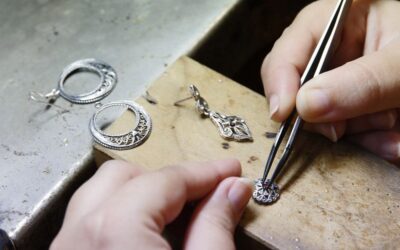
Discover Córdoba’s Artisan Workshops
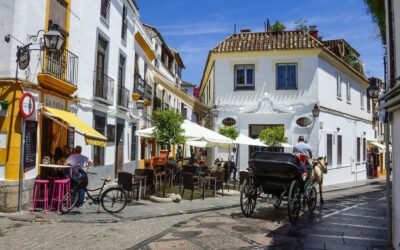
Unveiling Cordoba’s Islamic Heritage: A One-Day Tour Guide

Spain muslim-friendly tourism is on rise
Muslim-friendly tourism in Spain is on the rise. With more Muslims travelling to the Iberian peninsula to explore its rich Islamic history, a fledgling industry has sprung up to provide Halal food and services, as well as tailored tours.

Cordoba Caliphate
HISTORY

Cordoba Emirate
HISTORY