




Royal Alcazar of Seville Private Tour
170.00 €
The Royal Alcázar of Seville is the oldest royal palace still in use in Europe. Its origins date back to the 10th century, when it was built as a fortified palace by the Muslim rulers of Al-Andalus, later expanded under the Almoravid and Almohad dynasties.
After the Christian conquest of Seville in 1248, the complex underwent several transformations and additions. The most remarkable phase took place during the reign of King Peter I of Castile (Pedro I “the Cruel”) in the 14th century, who commissioned the construction of the magnificent Mudéjar Palace, blending Islamic, Gothic, and Renaissance elements.
Over the centuries, successive monarchs added new courtyards, halls, and gardens, resulting in a unique architectural ensemble that reflects the artistic evolution of Spain itself.
Today, it remains an official royal residence of the Spanish Crown, making it the oldest royal palace still in use in Europe.
Throughout the tour, the influence of Al-Andalus is unmistakable. The use of water, light, and ornamentation follows Islamic principles of harmony and balance. Yet the Alcázar is not just a relic of Muslim Spain—it is a testimony to cultural exchange, where Castilian monarchs consciously embraced the sophistication of their Nasrid neighbors.
The connection with Muhammad V of Granada is particularly significant: the same artisans who decorated the Alhambra also worked in Seville, bringing with them techniques of stucco carving, wooden ceilings, and glazed tiles that gave the Alcázar its unique radiance.
TOUR DETAILS
Duration: 2h
Guide Service: Price per group up to 15 people Note that is required hiring the individual radio system for groups >8 people (1.50 EUR)
Tickets Required (Not included)
Royal Alcazar of Seville
Purchase your nominative tickets on the monument’s official wensite by clicking in the button below.
The Royal Alcázar of Seville (Real Alcázar de Sevilla) is the oldest royal palace still in use in Europe.
Its origins date back to the 10th century, when it was built as a fortified palace by the Muslim rulers of Al-Andalus, later expanded under the Almoravid and Almohad dynasties.
After the Christian conquest of Seville in 1248, the complex underwent several transformations and additions. The most remarkable phase took place during the reign of King Peter I of Castile (Pedro I “the Cruel”) in the 14th century, who commissioned the construction of the magnificent Mudéjar Palace, blending Islamic, Gothic, and Renaissance elements.
Over the centuries, successive monarchs added new courtyards, halls, and gardens, resulting in a unique architectural ensemble that reflects the artistic evolution of Spain itself.
Today, it remains an official royal residence of the Spanish Crown, making it the oldest royal palace still in use in Europe.
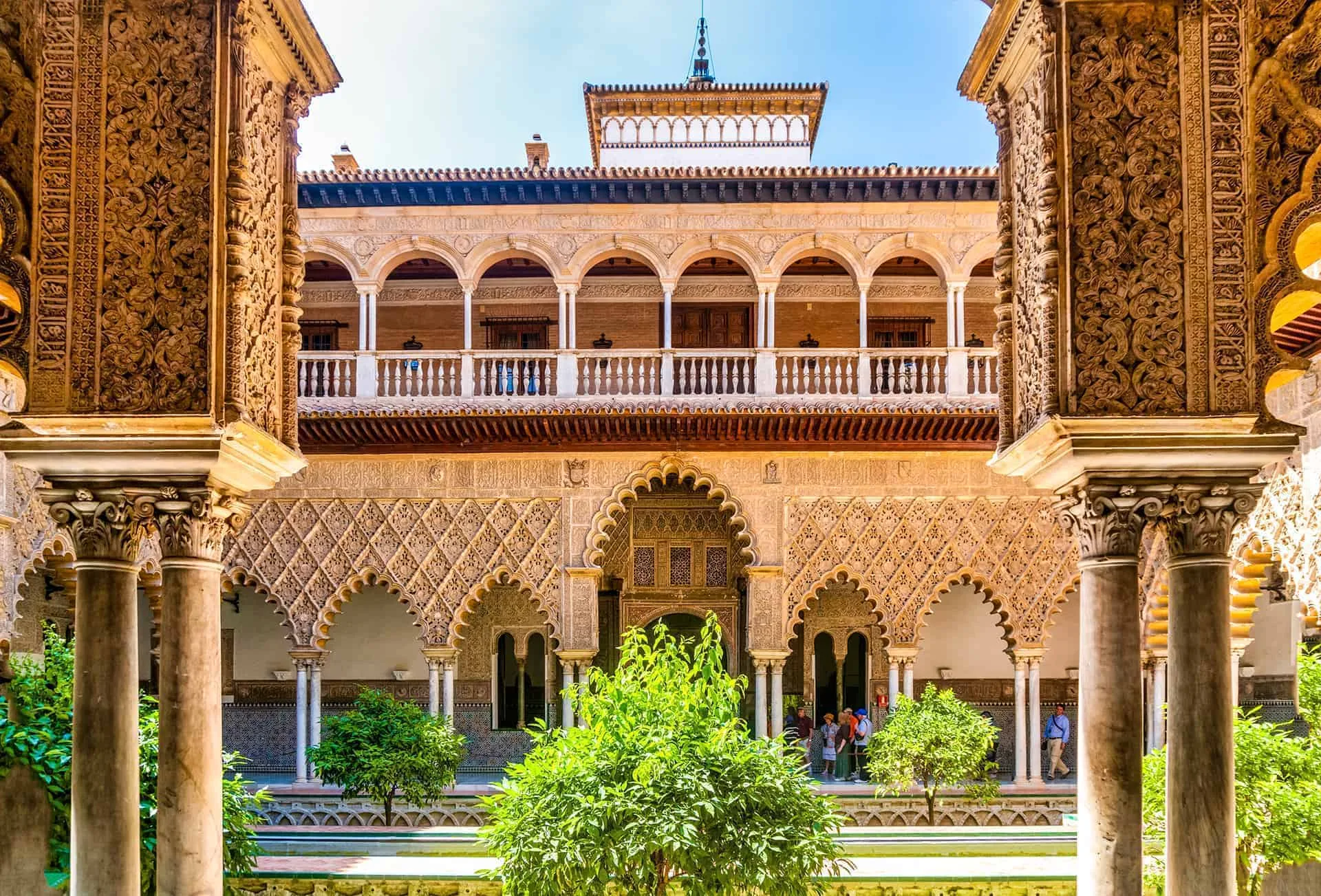
The visit often begins in the Patio de las Doncellas (Courtyard of the Maidens). Its delicate arches, stucco decorations, and reflective pool showcase the refined aesthetics of Nasrid Granada. The courtyard was redesigned under King Pedro I of Castile, who invited Muslim craftsmen from the court of Muhammad V of Granada—the same ruler responsible for the splendor of the Alhambra. This collaboration explains the striking stylistic parallels between the Alcázar and the palaces of Granada.
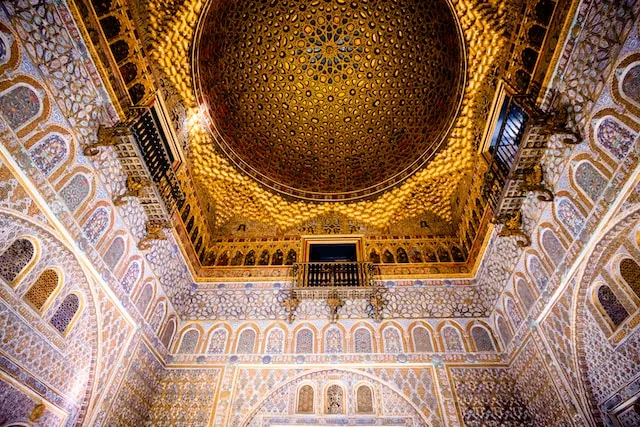
From there, visitors move into the Salón de Embajadores (Hall of Ambassadors), the heart of the palace’s ceremonial life. The hall is crowned with a magnificent gilded wooden dome symbolizing the heavens. Its walls are covered with intricate geometric and vegetal motifs, echoing Qur’anic ideas of paradise. This room served as the throne hall, designed to awe foreign dignitaries with a fusion of Christian power and Islamic artistry.
In the Patio de las Muñecas (Courtyard of the Dolls), small hidden faces carved into the arches invite a game of discovery, while the Patio del León links the fortified outer areas with the most intimate spaces of the rulers.
Throughout the tour, the influence of Al-Andalus is unmistakable. The use of water, light, and ornamentation follows Islamic principles of harmony and balance. Yet the Alcázar is not just a relic of Muslim Spain—it is a testimony to cultural exchange, where Castilian monarchs consciously embraced the sophistication of their Nasrid neighbors.
The connection with Muhammad V of Granada is particularly significant: the same artisans who decorated the Alhambra also worked in Seville, bringing with them techniques of stucco carving, wooden ceilings, and glazed tiles that gave the Alcázar its unique radiance.
TOUR DETAILS
Duration: 2h
Price per group up to 15 people
Tickets: Not Included. You may purchase your ticket online on the monument official website using the button below.
Book this tour
Fill the form below with your group details: number of people, age and tentative dates. We will respond in under 24hrs.
Book this tour
Fill the form below with your group details: number of people, age and tentative dates. We will respond in under 24hrs.
Royal Alcazar of Seville Private Tour
Andalucia Top Private Tours
Related products
-
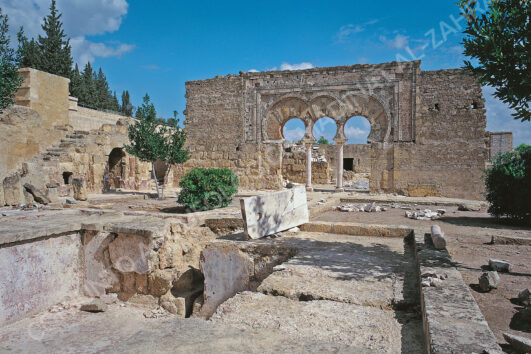
Madinat Al-Zahra Private Tour
150.00 € -
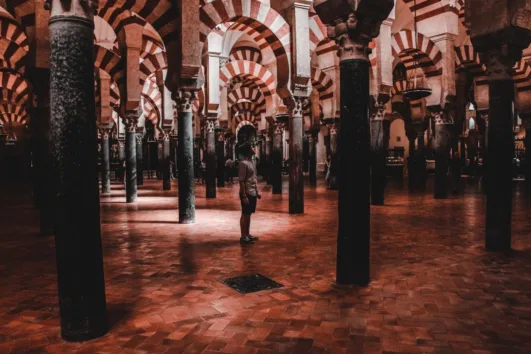
Cordoba Mosque Al-Andalus Private Tour
130.00 € -
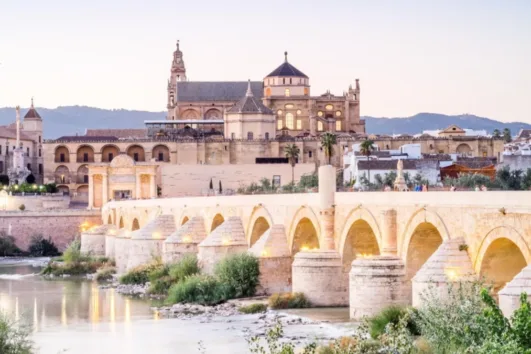
Cordoba Islamic Heritage Private Tour
190.00 € -
Sale!
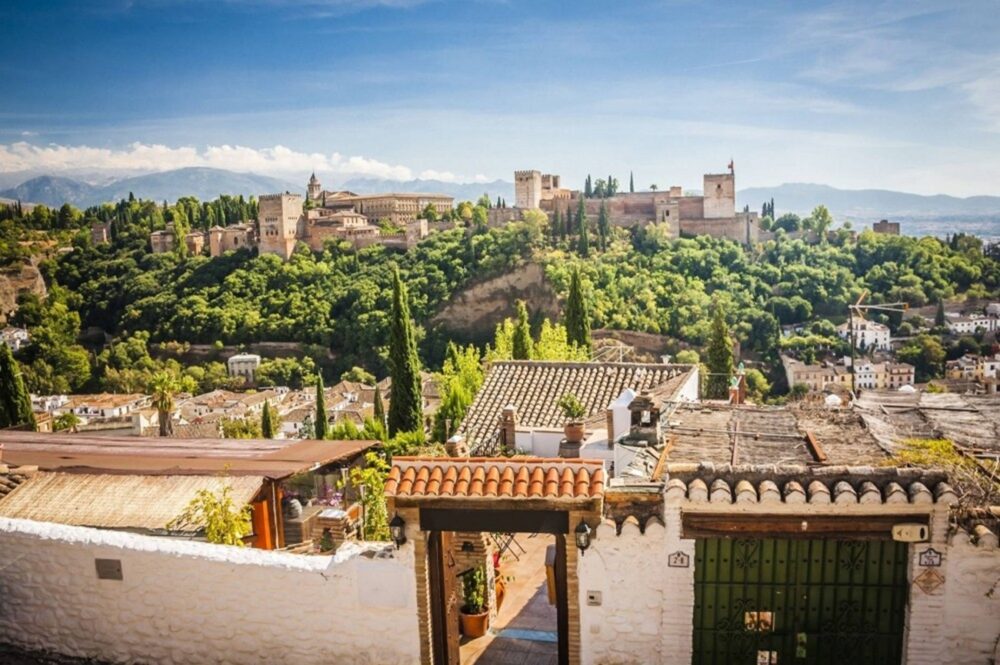
Albaicin & Sacromonte Quarters Private Tour
Original price was: 220.00 €.190.00 €Current price is: 190.00 €. -
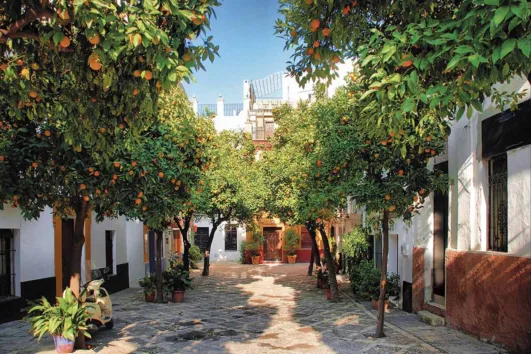
Seville Al-Andalus Heritage Private Tour
Price range: 220.00 € through 250.00 € -

Albaicin Private Al-Andalus Heritage Tour
175.00 € -
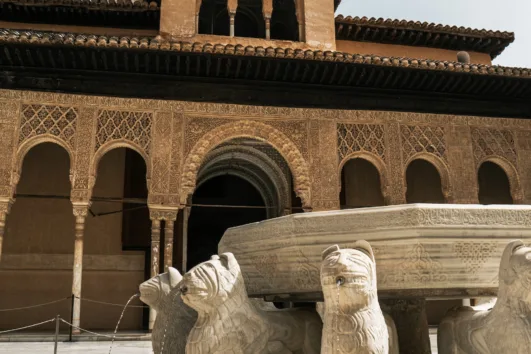
Alhambra Palace Group Tour with Tickets
41.50 € -

Alhambra Palaces Al-Andalus Private Tour
175.00 €