Discovering the Islamic Heritage of Toledo: A Day Tour Guide

Discovering the Islamic Heritage of Toledo: A Day Tour Guide

Exploring Islamic Heritage Sites in Toledo: A Day Tour Guide

Toledo, the "City of Three Cultures," is a testament to the rich Islamic heritage that flourished during the Al-Andalus era. This enchanting city, once a prominent center of Islamic culture and learning, offers a wealth of historical sites that showcase the grandeur of Muslim Spain. This day tour guide will help you explore the essential Islamic heritage sites in Toledo, providing an immersive and enriching experience for Muslim travelers.

1. Puerta de Bisagra

Start your journey at the Puerta de Bisagra, an impressive city gate originally built by Muslims. The gate's design reflects Islamic architectural influences, with its grand arches and fortified towers. This historic entryway sets the tone for your exploration of Toledo's rich Islamic past.

2. Mezquita del Cristo de la Luz

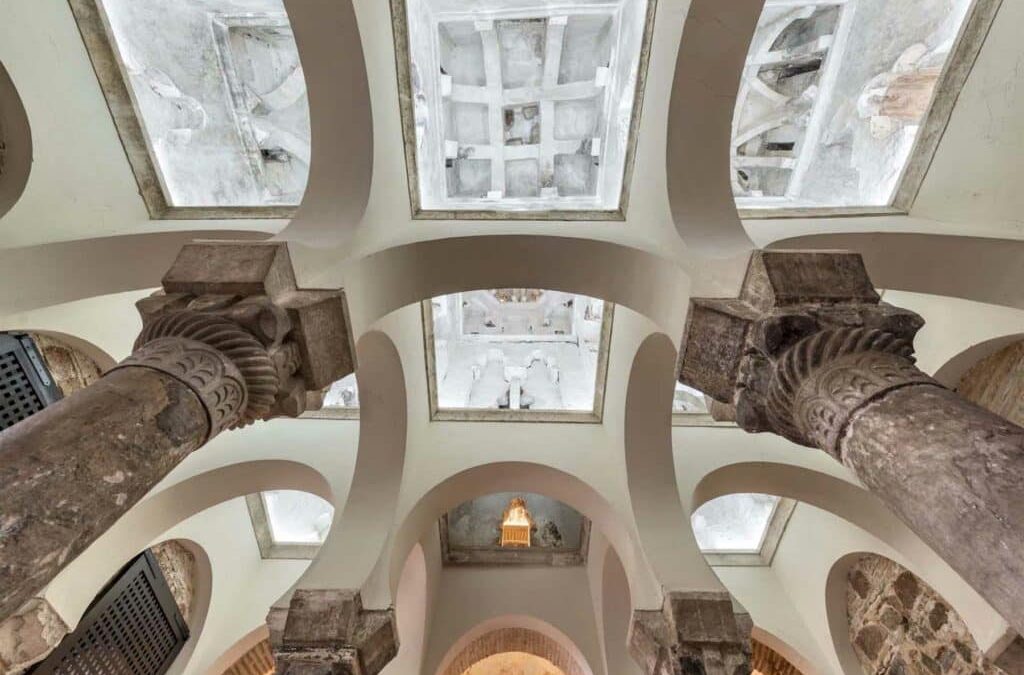
Your next stop is the Mezquita del Cristo de la Luz, one of the best-preserved examples of Islamic architecture in Toledo. Built in the late 10th century, this mosque features beautiful horseshoe arches and intricate brickwork. The interior, with its serene and contemplative atmosphere, offers a glimpse into the spiritual life of the Muslim community in Al-Andalus. The site also includes a Christian chapel, highlighting Toledo's unique cultural fusion.

3. Alcázar of Toledo

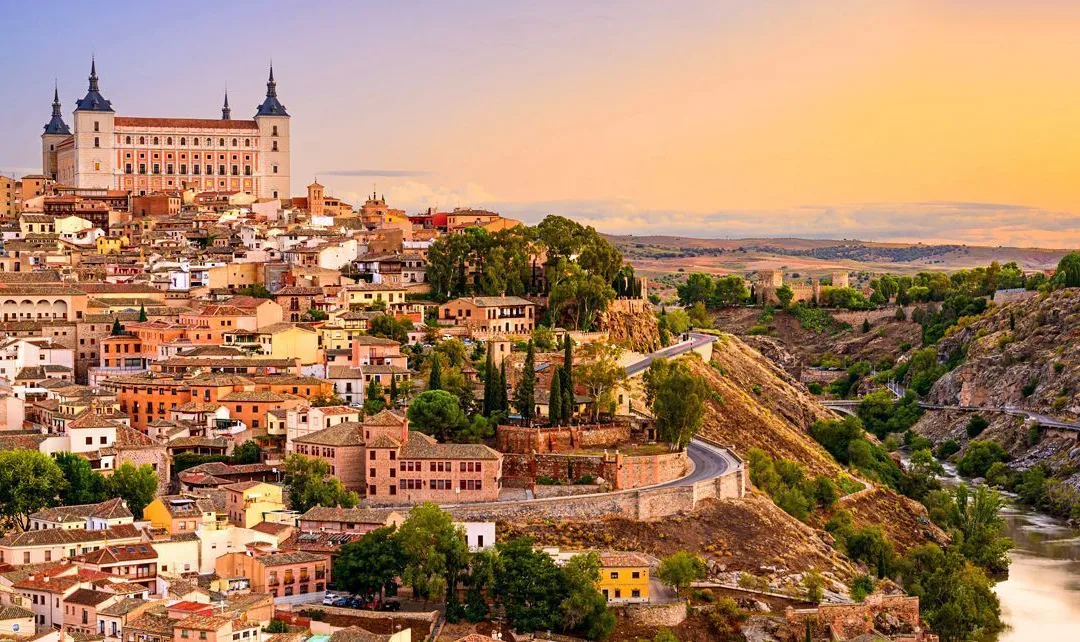
Visit the Alcázar of Toledo, a grand fortress with roots dating back to the Islamic era. While the current structure has undergone various changes, its origins as a Muslim fortress remain evident. The Alcázar's imposing presence and strategic location underscore its historical significance during the time of Al-Andalus.

4. Puente de Alcántara

Cross the historic Puente de Alcántara, a stone bridge that spans the Tagus River. Originally built by the Romans and later enhanced by Muslims, this bridge features fortified towers and arches that reflect the Islamic architectural style. The bridge offers stunning views of Toledo and its picturesque surroundings.

5. Palacio de Galiana

Explore the Palacio de Galiana, a beautiful palace with Islamic architectural elements located just outside the city center. This serene retreat, surrounded by lush gardens, reflects the Muslim emphasis on creating paradisiacal spaces. The palace provides a peaceful escape and a glimpse into the luxurious lifestyle of the Islamic elite.

6. Toledo Cathedral

While predominantly a Gothic structure, Toledo Cathedral was built on the site of a former mosque, symbolizing the city's Islamic heritage. Inside, you can find Mudéjar influences in some of the design elements, blending Islamic and Christian artistic styles. The cathedral's bell tower, originally part of the mosque's minaret, stands as a testament to Toledo's layered history.

7. Museum of Santa Cruz

This museum houses a diverse collection of artifacts, including pieces from the Islamic period. The museum building itself features Mudéjar architecture, which blends Islamic and Christian artistic styles, providing a fitting end to your journey through Toledo's Islamic heritage.

8. Mosque of Tornerías

Conclude your day with a visit to the Mosque of Tornerías (Mezquita de las Tornerías). This 11th-century mosque is a prime example of Islamic architecture in Toledo. It has been beautifully preserved and now serves as a cultural center. The mosque's interior showcases typical Islamic decorative elements, such as horseshoe arches and intricate geometric designs. It offers a serene atmosphere for reflection and a deeper understanding of Toledo's Islamic past.
Unveiling the role of Toledo in Al-Andalus: Exploring the Jewel of Islamic Spain

Unveiling the role of Toledo in Al-Andalus: Exploring the Jewel of Islamic Spain

Explore the captivating city of Toledo and unlock its secrets from the glorious era of Al-Andalus. Nestled on the banks of the Tagus River, Toledo held immense importance as a cultural, intellectual, and artistic center during Islamic Spain. Embark on a journey through time as we unveil the historical significance of Toledo and its enduring legacy as a jewel of Al-Andalus.
    1. Cultural Crossroads: Toledo's strategic location made it a melting pot of diverse cultures, religions, and intellectual traditions during Al-Andalus. Scholars, artists, and philosophers from various backgrounds gathered in this city, fostering an atmosphere of creativity and intellectual exchange. The interplay of Islamic, Jewish, and Christian influences created a unique and vibrant cultural tapestry, which still echoes through the city's architecture, art, and traditions.
    1. The School of Translators: Toledo became renowned as a center for translation and knowledge during Al-Andalus. The city's School of Translators played a pivotal role in translating ancient Greek, Roman, and Arabic texts into Latin and other languages, preserving and disseminating knowledge across Europe. The translation efforts in Toledo paved the way for the European Renaissance, making it a beacon of intellectual enlightenment.
    1. Majestic Alcazar: The Alcazar of Toledo stands as a testament to its historical significance. Originally an Islamic fortification, it was expanded and embellished by subsequent rulers. The Alcazar's architecture reflects a fusion of Islamic, Gothic, and Renaissance styles, showcasing the rich layers of Toledo's history. From its imposing walls to its beautiful courtyards, the Alcazar offers a glimpse into the grandeur and strategic importance of Toledo during Al-Andalus.
    1. The Mezquita del Cristo de la Luz: Witness the remarkable Mezquita del Cristo de la Luz, a small mosque that stands as a remnant of Toledo's Islamic past. This elegant structure, with its horseshoe arches and intricate decoration, exemplifies the architectural beauty of Al-Andalus. Marvel at the harmonious blend of Islamic and Christian elements, symbolizing the city's cultural coexistence during this golden era.
    1. The Toledo Synagogue: Explore the stunning Toledo Synagogue, known as the Synagogue of Santa María la Blanca. Originally built as a synagogue during Al-Andalus, it later became a Christian church. Its architecture reflects the Islamic influences prevalent in Toledo, with horseshoe arches, intricate carvings, and a serene ambience that tells the story of religious tolerance and cultural exchange.
    1. The Puente de Alcántara: Cross the historic Puente de Alcántara, an ancient bridge that spans the Tagus River. Built during Al-Andalus, this architectural marvel served as a vital link between Toledo and the surrounding regions. Admire its grandeur and imagine the bustling trade routes and cultural exchange that flowed across this iconic structure during the Islamic era.
The old mosque Bab al-Mardum (Ermita Cristo de la Luz)

The old mosque Bab al-Mardum (Ermita Cristo de la Luz)

The old mosque Bab al-Mardum (Ermita Cristo de la Luz)

La Ermita del Cristo de la Luz es un antiguo edificio religioso ubicado en Toledo, España. También es conocida como la Mezquita de las Tornerías debido a su ubicación en el barrio de las Tornerías, y en el pasado, se conoció como la Mezquita de Bab-al-Mardum, ya que fue construida durante el período de dominio musulmán en la península ibérica, conocido como Al-Andalus.

La ermita fue construida en el año 999 d.C. como una mezquita en estilo califal, y su arquitectura refleja la influencia del arte islámico de la época. Después de la reconquista cristiana de Toledo en 1085, la mezquita fue consagrada como una iglesia cristiana y se le añadieron elementos arquitectónicos góticos.

La característica más distintiva de la Ermita del Cristo de la Luz es su planta cuadrada y su minarete o torre, que se conserva en su mayor parte. La torre consta de tres niveles con arcos de herradura y columnas que muestran claramente su origen islámico. En el interior, hay una sala de oración de planta cuadrada con una cúpula semiesférica decorada con motivos geométricos y epigráficos islámicos.

La ermita alberga una imagen del Cristo de la Luz, que es una representación de Cristo crucificado. Esta imagen es objeto de devoción en la ciudad y atrae a numerosos visitantes cada año.

La Ermita del Cristo de la Luz es un testimonio vivo de la rica historia cultural y religiosa de Toledo, que ha sido habitada por musulmanes, judíos y cristianos a lo largo de los siglos. Su arquitectura única y su significado histórico la convierten en un importante sitio turístico y un lugar de interés cultural en la región.