Blog, Madrid, Malaga, Spain
Where to go shopping in the major cities of Spain?
Shopping in Spain is concentrated in the two largest cities Madrid and Barcelona. These cities have the best malls and shopping centers in the country where you can find things of any price. Collections are represented by international and local brands, however, are also known throughout the world.
In other cities like Sevilla, Valencia, Malaga, and Zaragoza, shoppers will be
able to find everything they need. The famous Spanish markets deserve special attention. Unique products and souvenirs can be bought there. In outlets, travelers will be able to find things from old collections with nice discounts.
Most major cities of Spain have El Corte Ingles Malls. You can find goods of any category in these huge shopping centers. Tourists will enjoy the unforgettable shopping
Madrid
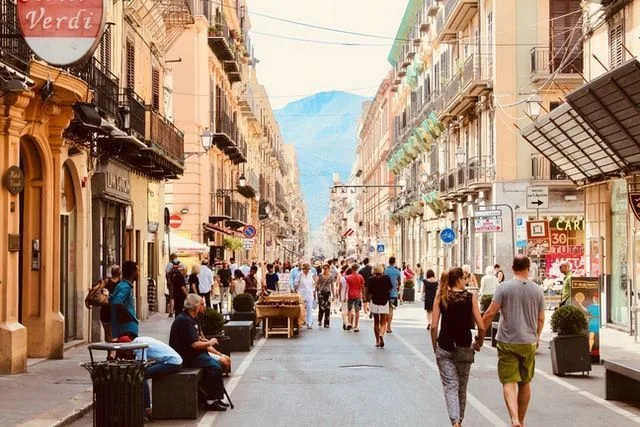
You can do good shopping in several areas, depending on the purpose and budget. Shopping streets start from the central city square. There are also numerous shops of local craftsmen with traditional souvenirs. Excellent shopping for everyone is waiting for tourists in the Gran Vía area. And in Cuatro Caminos you can buy exclusive fabrics and even order an outfit. Among the most amazing shopping centers of the capital, it’s worth noting Plenilunio, Principe Pio and Moda Shopping. There you can buy inexpensive clothing from the world famous Spanish and foreign brands.
Not far from Madrid, there a fairly large outlet, Las Rozas Village, where you can buy clothes of expensive brands with discounts up to 70%. The season of sales in Spain runs twice a year. Winter sales start in early January and last until March; by the end of it, discounts may reach even 80%. Summer sales also last about two months, from early July to late August. This time is considered the best for shopping in Spain.
Products of elite brands can be searched in the most prestigious area of the city, Barrio de Salamanca.
Barcelona
Barcelona has prepared a real present for shoppers. Monday to Friday, during the working hours, a bus runs along the streets of the city and takes tourists to the most important places for shopping. The length of the route is 5 kilometers; the ticket price is 10 euros. Most of the shops are located in the city center. You can find boutiques of famous Spanish brands, including Zara, Massimo Dutti, and Stradivarius with rather democratic prices on the Passeig de Gracia avenue. The same street features shops of elite brands - Chanel, D&G, and Yves Saint Laurent. One of the largest shopping centers in the capital of Catalonia is Diagonal Mar. It has more than 150 shops of various brands, children's areas, and restaurant patios. No less exciting is shopping in the areas of Raval and Gracia. Here, you can find something vintage and exclusive.One of Spain's largest outlets, La Roca Village, is located near Barcelona. It has more than 100 stores; discounts there can reach 60%. The village has a very special design, so you can visit it even as part of the tour.
Valencia
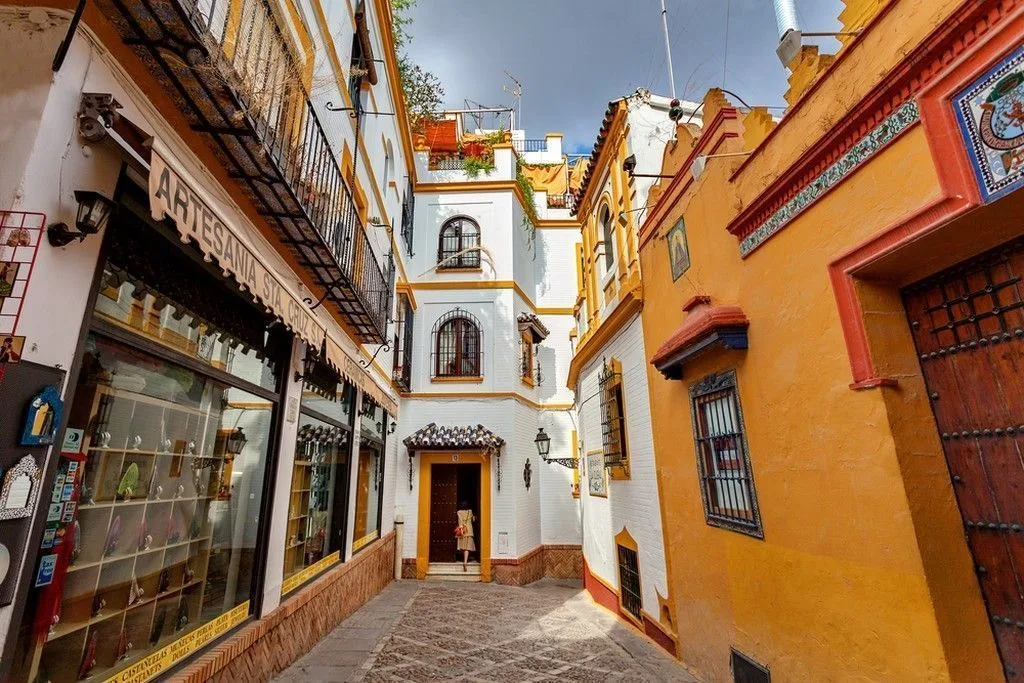
Valencia, go for shopping to Carrer Colon, which is the main trade artery of the city. There are shops of different brands, including Lacoste, Zara, H&M, and Nike. The budget-saving shopping can be done at El Saler, where clothes, toys, cosmetics, and accessories are sold. In Seville, it is obligatory to buy something local. The homeland of flamenco produces luxurious colored scarves, dresses for dancing, shoes, and castanets. You can buy inexpensive souvenirs on Bazar Arjona. In Malaga, there is the oldest shopping center in the country, Felix, where you can find a large number of different shops.
Vacationers will also be able to make nice purchases on the Canary Islands. In the south of the island, in the resort of Las Americas, it is worth to go to the main street, which is called the Golden Mile. There, you can buy clothes of both elite designers and inexpensive brands. The largest city of the islands, Santa Cruz de Tenerife, has somewhat wider choice. Shopping centers like Carrefour and Meridiano are recommended to make purchases
Blog
What are the good apps for Muslim travelers
Fortunately, technology has made our lives easier. Kompas.com has compiled four apps that would make your trip during this holy month more enjoyable.
If a Muslim women in #Hijab, how to protect yourself traveling Europe
Muslim Go
Muslim Go is among the top-recommended applications for frequent flyers.
Featuring a directory of halal restaurants, kiblat (direction of Muslim prayer) information and a mosque finder, the app ensures that you would be able to perform your religious rituals while being away from home.
Furthermore, Muslim Go is also equipped with azan (call to prayer) and a prayer schedule, reminding users when to pray.
Muslim Mate
Muslim Mate is similar to Muslim Go as it is also equipped with halal-restaurant and mosque finders, kiblat information and a prayer schedule.
However, it also features stories of the Prophet that travelers can read on the way to their destination.
Read also: Citilink unveils new hijab uniform, Ramadhan menu
Halal Trip
In addition to information about halal restaurants and a mosque directory, Halal Trip also offers halal travel packages to several destinations, including Japan and South Korea.
Halal Tracking
Halal Tracking was developed by lecturers from Brawijaya University in Malang, East Java.
On the app, users have access to payer times and a mosque finder, as well as information on tourist attractions and sharia-based hotels. (jes/kes)
Travelers Tips
Travelling to Europe for many Muslim women, who wear hijab, might feel intimidating. But I want to assure you that everything is just fine. Europe is still a Muslim-friendly place. I just came back from a European trip and things went very smoothly. Another friend just returned from all-girls-trip to Europe without any problems. Only advice I have, be prepared and know what to expect when travelling throughout the Europe. Here are some of my favorite tips to keep your safe on your solo trip.
Hotels
One of the most important things for me and the one that I am happy to pay good money is my accommodation. You can use hotel loyalty programs to bring the cost down of your accommodation, but a reputable hotel in a good location can provide the safety you need when travelling. It is more unlikely to get robbed or have problems with your hotel if you choose an international brand plus most of the times they have properties in the city centre making it super convenient. Always read the TripAdvisor reviews and look online for the cheapest deal.
Share your itinerary
As a solo Muslim woman travelling you definitely want to share your itinerary with a friend or a family member, just so they can keep track of you. Just in case something happens there is one person always knowing your location. I love using Uber in Europe for this reason too, you can easily share your ETA with someone else and this definitely makes me feel more safe. Plus it’s a great way to avoid being scammed, see below.
Register with your embassy
I know this is extreme but many consulates and embassies have programs where you can register with them. In essence you let your government know you are in town and if something happens you are on their radar. This will make it much easier in case of an emergency.
Avoid the scams
Sadly Europe does have a lot of scamming and pickpocketing so when travelling solo be extra careful. Don’t stop to talk to some random salesman offering your bracelets in Rome or Milan. Preferably if you need to withdraw money out of your bank account do so within a bank branch especially rather than outside. You want to avoid drawing attention to yourself.
Visits the mosques
As a Muslim woman traveling it is a great way to make friends with local sisters. Visit the local mosque, many European cities have female prayer facilities so this is not a problem. Search online for the central mosque in the city and pay them a visit. You might be invited to try some local food too or have a tour guide for the day.
#Bonus Tip
If you want to keep your independency but still want to explore some of what the city has to offer, join a Free walking tour. It is a great way to meet other single travellers too, have a local tour guide and see the city. It’s a win-win and definitely a lot of fun. There are even themed free walking tours so look online for some in your preferred destination.
You are definitely not alone. You will see so many Muslim women through your travelers either travelling or living in Europe. There is not even one city where I have not seen a Muslim and I have been to more cities than I can remember. Muslims are everywhere and it’s great because number one there is always halal food available and number two travelling is one of the best ways to break misconceptions about Islam and see what this beautiful world has to offer. So pack your bags and safe travels.
Blog
Please don’t be one of those people who travel to Paris, Tokyo, or Nairobi and spends the entire trip eating at McDonald’s. How are you going to enjoy an authentic travel experience if you don’t eat what the locals eat? That gets a bit tricky when you’re on the hunt for halal food in a country that doesn’t have a Muslim majority, but there’s an app for that. – or 10 apps.
Haloodie
Calling all halal foodies! This app’s nice and simple – you pop in your location and get a list of nearby restaurants that offer halal options. Similar to Yelp!, it shows you the restaurant recommendations in list format, or through an interactive Google map. Haloodie’s Facebook is also very active, with plenty of reviews and recommendations from restaurants across the US and Europe.
Halal Dining Club
Search by location or type of food with Halal Dining Club and discover whether a restaurant is halal certified, is Muslim owned, has a halal kitchen, is halal friendly, serves alcohol or not, or whether it’s catered toward seafood and vegetarian options. Coverage for this app ranges from major cities in the UK, a couple of big cities across North America, and all of Singapore, and you can also use it to book a reservation at your halal restaurant of choice. As a more interactive feature for members, Halal Dining Club awards points for those who register, book or review restaurants, or join their mailing list; these points can then be used to pay it forward and donate to charities of choice through the app.
Halal Trip
Available in Arabic, English, and Turkish, Halal Trip goes beyond just food and covers the entire halal travel spectrum – from the Qibla and travel dua to finding halal restaurants and mosques wherever you are. You can search nearby for halal restaurants, or for halal dishes in regular restaurants. Halal Trips has also extended to include catered halal trips to various destinations around the globe.
ZabihahCovering the entire globe, Zabihah shows you nearby markets and restaurants, or you can search by destination and plan for your trip ahead of time. Users can also review restaurants and search for mosques on Zabihah, which is one of the oldest apps for halal food on the go.
Meembar
Meembar focuses on the halal travel experience when it comes to restaurants, hotels, and mosques. Gathering its data from global Halal Certification bodies and through user-generated recommendations, Meembar also allows you to suggest, rate, check in, and write reviews about restaurants so as to benefit others.
Irhal
Available in Arabic and English, Irhal has comprehensive overviews of certain destinations, with a focus on halal food, mosques, and halal hotel options. Search nearby for where to eat, stay, or pray.
Crave Halal
Apparently, these guys call each of the restaurants on the app – from all across Canada and the US – to confirm that they are actually Halal Certified.
Hal’Rezo
After a long day of running around and exploring, sometimes you just want some good old delivery right to your hotel doorstep without having to worry whether or not your burger is halal. Hal’Rezo – available in Arabic, English, French, Dutch, and Spanish – not only highlights nearby halal restaurants, but lets you order your halal delivery straight through the app.
Halal-Navi
Halal navigation for every Asian destination, including restaurants, mosques, and halal hotels. Halal-Navi is relatively new and has a user-generated database, but for now it’s got comprehensive halal navigation all throughout Asia.
Halal Gourmet Japan
A bit more specific than the rest, Halal Gourmet Japan helps you find your halal options while visiting Japan – just choose your location and what type of food you’re feeling It also lets you search under certain conditions – whether there’s halal meat, pork, vegetarian options, group options, halal seasoning, alcohol, a prayer place, and tons more.