Ibn Rush (Averroes)

Ibn Rush (Averroes)

Ibn Rush (Averroes)

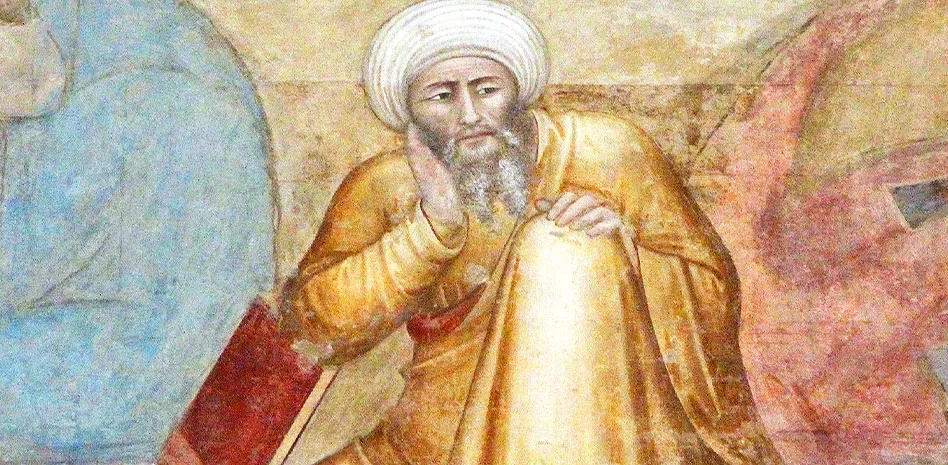
Ibn Rušd: Abū l-Walīd Muḥammad b. Aḥmad b. Aḥmad b. Rušd al-Qurṭubī. Called Al-Ŷadd (the grandfather). Cordoba, 450 H./1058 C. - 520 H./1126 C. Muslim jurist and theologian.

Studied jurisprudence, theology, prophetic traditions, grammar, language and literature with Abū Ŷacfar Aḥmad b. Muḥammad b. Rizq al-Umawī al-Qurṭubī, Muḥammad b. Faraŷ Ibn al-Ṭallā’, Abū Muḥammad b. cAlī al-Gassānī al-Ŷayyānī; Abū Marwān cAbd al-Malik b. Sirāŷ, Abū cAbd Allāh Muḥammad b. Jayra Ibn Abī l-cĀfiya al-Umawī al-Ŷawharī y Abū l- cAbbās Aḥmad b. cUmar b. Anas Ibn al-Dalā'ī al-cUḍrī.

Ibn Rušd did not undertake the study-extension trip to the East; However, this did not prevent him from gaining a thorough knowledge of Islamic law and other Islamic religious sciences which made him a renowned jurist, The most outstanding of its time, both in al-Andalus and in the Maghreb.

Leaving aside the fact that al-Andalus would have been placed on a par with the East in the teaching of Islamic religious science, the reasons why he did not travel to the East could be the same as why he did not make the pilgrimage to Mecca, He considered that in their time the Andalusians and the Magrebites were not obliged to perform this rite in the absence of plausible possibilities of doing so without risk for their lives and their goods.

His career had a prominent political and social projection through the judiciary, legal advice at both public and private levels, and education. The public aspect of his activity, however, caused him some problems.

On a date which it is not possible to specify exactly, Ibn Rušd and other jurists ruled that, according to the legal doctrine of the school of Mālik b. Anas in al-Andalus, the sales of properties usurped or acquired in an unlawful manner had to be cancelled, even if they were carried out on behalf of the Treasury and even if these sales were old. Transactions of this type had been made by both relatives of the kings of taifas deposed by the Almoravids in Seville, Almería and Córdoba, as governors appointed by the Almoravids after their conquest of al-Andalus. Other city jurists such as Abū l-Qāsim Ibn Ḥamdīn were of the opinion that the implementation of this ruling would seriously harm the interests of the people. Indeed, the people rose up against Ibn Rušd and those who had ruled like him, but Ibn Ḥamdīn managed to placate them in return, apparently that Ibn Rušd and those who had spoken like him would publicly retract.

In 511/1117 the Almoravid emir cAlī b. Yūsuf b. Tāšufīn appointed him supreme judge of Cordoba. He held the office for four years, after which, according to his own testimony, he asked the emir to relieve him so that he could devote himself entirely to the writing of his works. According to other sources, it was his involvement in the uprising of the Cordobeses against the Almoravid garrison of the city between the years 513/1119 and 515/1121 that prompted him to abandon the judicial.

The departure from the judiciary did not imply a withdrawal from public life, but instead Ibn Rušd remained active as a mufti member of the city’s advisory council; for a time he also directed the prayer in the mosque aljama of Cordoba and to pronounce the sermon on Fridays, which, according to his biographers, He did nothing but increase his excellence and his position.

One of his principal disciples, the cIyāḍ kādi, highlights the high position our jurist attained before the Almoravid emir, who sought his advice on matters of great importance. He issued numerous opinions at the request of the political authorities, but also and as was proper to the role of the magistrate, in response to questions put to him by other judges, his disciples and, in general, Muslims who approached him on a personal basis, as people used to entrust him with the important matters that concerned them. A good part of these opinions are preserved and show to what extent the prestige as jurist achieved by Ibn Rušd was justified, Their fetuses can be taken as true models in their genre.

Of all his public actions, perhaps the one that had the most impact was the intervention before the Almoravid emir after the campaign of Alfonso I of Aragon for al-Andalus lands in 519/1125 and that, although it did not translate into any territorial gain for the Christian, it showed the weakness of the Almoravid military defenses. Given the help that some Andalusian tributary Christians had given to the Aragonese monarch, the situation of the rest of their coreligionists who still remained in al-AragoneseAndalus was seriously threatened. In the face of this very hectic panorama, in the spring of 520/1126 Ibn Rušd considered it advisable to travel to Marrakech to inform the emir of what happened and advise him to expel the tributaries who, breaking the pact under which they lived in al-Andalus, had given aid to Alfonso I against the Muslims. The emir agreed to what Ibn Rušd proposed and issued an order to all regions of al-Andalus to deport tributaries to Meknes, Salé and other areas on the African shore of the Strait. The emir took advantage of Ibn Rušd’s visit to consult him about the increasingly pressing threat from Ibn Tumart, the leader of the Almohad movement who would eventually dislodge the Almoravids from power. Ibn Rušd advised him to strengthen the walls of Marrakech, advice which was heeded by the emir. The works began in the same year and were completed early next. At the end of the year 520/June 1126 Ibn Rušd returned to Cordoba.

Entre sus discípulos destacan el cadí cIyāḍ; Ibn Baškuwāl; al-Zāhid Abū l-cAbbās Aḥmad Ibn cAbd al-Malik b. cAmīra; Abū Ŷacfar Aḥmad b. Aḥmad b. Aḥmad al-Azdī; Abū l-Ḥaŷŷāŷ al-Ṯagrī; Ibn Sacīd al-Awsī, conocido como al-Qantirāl; Abū l-Walīd b. al-Dabbāg, para el cual el maestro cordobés fue el mejor jurista de al-Andalus; Muḥammad b. Sacāda quien, upon arrival at Fez transmitted the works of the master and therefore can be considered as one of the agents of reception of his work in the Maghreb; Abū l-Ḥasan Muḥammad b. Abī l-Ḥusayn, known as Ibn al-Wazzān (d. 543/1148), who compiled the fetuas of Ibn Rušd; and his own son, Abū l-Qāsim Aḥmad b. Muḥammad Ibn Rušd, (d. 563/1167), who also served in the Cordoba judiciary and was one of the main transmitters of his father’s work. A estos discípulos se puede añadir a Abū Bakr Ibn al-cArabī; Abū l-Walīd b. Jayra; Abū Bakr b. Maymūn; cUmar b. Wāŷib; Abū l-Ḥasan b. al-Nicma; Muḥammad b. Aṣbag al-Azdī, y otros.

As for his personality, his closest biographers describe him as a very religious man, modest, of few words and great righteousness, yet easy to deal with, He was a man of great profit to his private and fellow men, whose company he frequented and a man who kept his commitments.

In Jumada II of 520/July 1126, as a result of the exhaustion that the trip to Marrakech caused him, Ibn Rušd fell ill and died four months later on the night of Sunday 11 of DayQacada of 520/28 November 1126. He was buried in the cemetery of al-cAbbās, located east of Cordoba and where his ancestors were also buried. His son Abū l-Qāsim, the father of the famous philosopher Averroes, prayed the funeral prayers for him. As it corresponded to his prestige, a great crowd is said to have accompanied his coffin to the cemetery and composed numerous elegy in his honor, elegy that, according to the biographers, They did her justice.

Ibn Rušd carried out a work of authentic renewal of the doctrine of the legal school to which he belonged through commentaries on earlier collections of jurisprudence such as that of the Andalusí al-cUtbī. This work was known by the name of its author, al-cUtbiyya, and also as al-Mustachrajah and had apparently fallen into disuse. Ibn Rušd made a commentary on it which is probably his greatest work: Kitāb al-Bayān wa-l-taḥṣīl wa-l-šarḥ wa-l-tawŷīh wa-l-taclīl li-masā'il al-cUtbiyya, también conocido como Kitāb al-Bayān wa-l-taḥṣīl li-mā fĪ l-mustajraŷa min al-tawŷīh wa-l-taclīl, cuyos veinte volúmenes han sido cuidadosamente editados por M. Ḥaŷŷī. The structure of this work and its transmission in later authors has been studied by A. Fernández Félix, who has also used its content to analyse the process of al-IslamAndalus. The reasons that led Ibn Rušd to compose the work entitled al-Muqaddamāt li-awā'il kutub al-Mudawwana are opposite to those that prompted him to compose the Bayan. Al-Muqaddamāt is a commentary on the Mudawwana, a compendium of mālikí jurisprudence prepared by the Tunisian jurist Saḥnūn, which, contrary to what happened with cUtbiyya, had become the fundamental reference of Andalusian jurists of the Almoravid period, It was therefore essential to clarify those passages of the work that created confusion in those who used it. Of the Muqaddamāt there are two printed editions. Its prologue has been translated together with that of the Bayān by A. Fernández Félix. Both works reached such prestige that according to some biographer, not even the founder of the Mālikí school, Mālik b. Anas, had been able to produce anything like it. Both represent the process of revision to which mālikí jurisprudence was subjected in the 12th century in systematic application of the methodological criteria imposed by the science of foundations of law. As a result of this effort, the apparent contradiction between maxims applicable to the same legal case was explained, the grounds on which opinions were based, which were believed to come from the prudent judgement of the founding jurists of the school and not from recognized sources of law, Qur'an and prophetic tradition, and rejected opinions that could not be argued on this basis. As a good conocedor of the causes that gave rise to the disagreements held among Muslim jurists, Ibn Rušd revised the contents of the "Book on problematic traditions" de al-Ṭaḥāwī en su Tahḏīb Kitāb Muškil al-āṯār li- l-Ṭaḥāwī y elaboró un resumen de la obra titulada Kutub al-mabsūḍa fī ijtilāf aṣḥāb Mālik, which dealt with doctrines and divergences of the companions of the founder of the Mālikí school, and which had been composed by Yaḥyà b. Isḥāq b. Yaḥyà (m. 293/905 or 303/916), grandson of the introducer of the Maliki doctrine in al-Andalus. This work is not preserved.

Ibn Rušd was not only aware of the need to clarify obscure aspects of legal works that made his consultation difficult for jurists of later generations but The Commission’s proposal for a Council Directive on the approximation of the laws of the Member States relating to the carriage of goods by road is also designed to summarize the essential aspects of this doctrine in order to facilitate its application in practice. Within this section we can include his Fuṣūl fī l-fiqh al-mālikī or Extracts on mālikí jurisprudence, of which a copy is kept in Tamagrut, and its Mujtaṣar fī l-fiqh or Compendium of Islamic legal doctrine from which at least two manuscript copies are preserved.

His mastery of hereditary law is attested by the writing of an Introduction to the theme entitled al-Muqaddima fī l-farā'iḍ, from which several copies are preserved. Relevant aspects of this doctrine, such as the possibility of excluding an heir from succession, were dealt with in his Kitāb fī-hi "Ḥaŷb al-mawārīṭ" and in his Summary of the Summary of the Work "al-Ḥaŷb" (the exclusion of an heir from succession) according to the doctrine of Mālik b. Anas, founder of the legal school to which Ibn Rušd belonged.

He also composed legal works on various subjects such as his Work on ritual sacrifices (Ḍābā'iḥ), his Book on the fifth [of the spoil] (Kitāb al-jums), of which a copy is preserved in the library of the Escorial, his Book on the Atonement (Kitāb al-kaffāra), of which a copy is also preserved in the library of the Escorial. His book on how to retrieve prayers that could not be performed in time or were performed incorrectly (Kitāb tarqīc al-ṣalawāt), kept in the library of Tamagrut, and a work on ritual ablution (wuḍū') of which a copy exists in Marrakech.

It also preserves a Profession of faith (cAqīdat al-iman) and is attributed the composition of numerous texts on various Islamic religious sciences (aŷzā’ kaṯīra fī funūn min al-cilm mujtalifa) y una Fahrasa o repertorio de maestros y obras estudiadas con ellos.

His intense activity as a jurisconsult is reflected in his Fatāwà, a collection of legal opinions issued by Ibn Rušd al-Ŷadd, gathered by his disciples and of which there are two editions. As part of this collection has been published his Epistle on the legal status of the properties of unjust rulers who acquired them illicitly and of those acting as them (Risāla fī ḥukm amwāl al-’alama al-wulāt al-muctadīn wa-man kāna fī macnā-hum)which seems to take up the content of the fatwa that Ibn Rušd issued annulling the sale of properties usurped or acquired by illegal means and that provoked the wrath of the people of Cordoba.

Many of these fetuas are transmitted in original version and retain the names of persons, places and dates involved in each case. They are therefore not only a major legal source but also provide valuable information for the study of the political, social and economic history of the Islamic West.

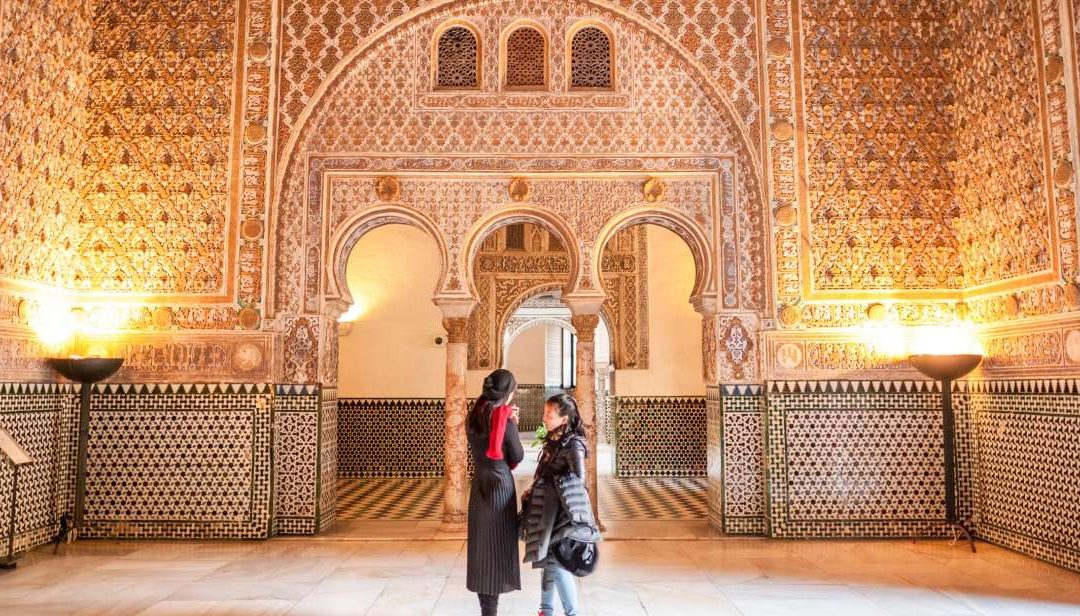
Palace of Dar al-Horra

Palace of Dar al-Horra

Palace of Dar al-Horra Albaicin Granada Al Andalus Heritage

Palace of Dar al-Horra

Translated from arab the "home of the honest”, located in the hearth of the old medina Gharnata, today Albaicin quarter, formed part of the large palace of Zirid King Badis, It was so-named for having been the official residence of Aixa la-Horra, wife of Muley Hacén and mother of the last Emir of Granada, Muhammad XII (Boabdil).

After the conquest, it eventually being converted into a Franciscan convent by Queen Isabel, inhabited from 1507 to this day by nuns. Due to being a cloistered monastery, it has maintained its former Islamic forms and part of its former Nasrid decoration intact. The inscriptions carved into the plaster of the viewpoint enhance the private nature of the house with words and phrases of celebration such as “Blessing”, “Happiness”, “Health is perpetual” and “Joy continues”.

The building is centered by a rectangular patio, with a small pool toward the south side, with porticoes on the north and south sides.

The main rooms, with high ceilings, are behind the arcades of the patio. The one on the south side was used as a church for years. The upper floor retains the style of Islamic houses and has wonderful views over the former Axarea quarter, with its mosque converted into a church of San Cristóbal and the Zirid wall.

Its small garden is irrigated with water from the Aynadanar canal, from the large Aljibe del Rey cistern, located nearby.

Dar al-Horra forms part of the wider Andalusi heritage of the neighbourhood. To understand the palace in the context of the medieval city, explore our private guided tour of the Albaicín in Granada.

Planning a trip to Spain? Most frequent questions answered

Planning a trip to Spain? Most frequent questions answered

When planning a trip to Spain, travelers often have several common questions. Here are the top five questions based on current trends and searches.
    • What are the best ways to travel around Spain?

      Spain offers various transportation options, including high-speed trains, buses, domestic flights, and rental cars. Trains are popular for intercity travel due to their speed and convenience. Buses are cost-effective for shorter trips, while rental cars offer flexibility.
  Is Spain safe for tourists? Spain is generally a safe destination with low rates of violent crime. However, petty theft, such as pickpocketing, can occur in crowded tourist areas, particularly in cities like Madrid and Barcelona. Staying alert and keeping personal belongings secure are recommended precautions​​.

What should I eat in Spain?

  Paella de Marisco (Seafood Paella) Description: A traditional Spanish rice dish made with a variety of seafood such as shrimp, mussels, clams, and squid. It’s flavored with saffron and cooked in a large, shallow pan.   Gambas al Ajillo (Garlic Shrimp) A popular tapas dish consisting of shrimp sautéed in olive oil with garlic and chili. It’s usually served hot and is perfect with a slice of bread.   Tortilla Española (Spanish Omelette) A thick omelette made with eggs, potatoes, and onions. It can be enjoyed warm or cold and is a staple in Spanish cuisine. Gazpacho Description: A cold tomato soup made with fresh tomatoes, cucumbers, bell peppers, onions, garlic, olive oil, vinegar, and bread. It’s refreshing and perfect for hot weather.   Berenjenas con Miel (Fried Eggplant with Honey) Slices of eggplant that are lightly battered and fried, then drizzled with honey. This sweet and savory dish is a popular tapa. Calamares a la Plancha (Grilled Squid) Squid that is simply grilled and often seasoned with olive oil, garlic, and parsley. It’s a light and healthy option.Region: Coastal areas Salmorejo A thicker version of gazpacho, this chilled tomato soup is blended with bread, garlic, olive oil, and vinegar, and often garnished with chopped hard-boiled eggs and a drizzle of olive oil. Patatas Bravas Fried potato cubes served with a spicy tomato sauce or aioli. It’s a common tapa found in many bars and restaurants. Ensalada de Pimientos Asados (Roasted Pepper Salad) Roasted red peppers mixed with olive oil, garlic, and sometimes vinegar. It can be served as a tapa or side dish. Pollo al Ajillo (Garlic Chicken) Chicken pieces cooked with a generous amount of garlic, white wine, and sometimes rosemary or thyme. It’s a flavorful and aromatic dish. These questions and answers reflect the main concerns and interests of travelers planning their trips to Spain. For more detailed planning and personalized advice, consulting local experts or travel guides can be very beneficial.

Travelers frequently ask about the top destinations to visit in Spain. Popular recommendations include the architectural marvels of Antoni Gaudí in Barcelona, the historic Alhambra in Granada, the cultural sites of Seville, and the royal palaces and museums in Madrid​ 

    • When is the best time to visit Spain?

      The best time to visit Spain depends on the desired experience. Generally, spring (March to May) and fall (September to November) offer pleasant weather and fewer crowds. Summer is popular for beach destinations but can be hot and crowded, especially in major cities.

    • What are the best ways to travel around Spain?

      Spain offers various transportation options, including high-speed trains, buses, domestic flights, and rental cars. Trains are popular for intercity travel due to their speed and convenience. Buses are cost-effective for shorter trips, while rental cars offer flexibility.


Is Spain safe for tourists?

Spain is generally a safe destination with low rates of violent crime. However, petty theft, such as pickpocketing, can occur in crowded tourist areas, particularly in cities like Madrid and Barcelona. Staying alert and keeping personal belongings secure are recommended precautions​​.

What should I eat in Spain?


Paella de Marisco (Seafood Paella)

Description: A traditional Spanish rice dish made with a variety of seafood such as shrimp, mussels, clams, and squid. It’s flavored with saffron and cooked in a large, shallow pan.


Gambas al Ajillo (Garlic Shrimp)

A popular tapas dish consisting of shrimp sautéed in olive oil with garlic and chili. It’s usually served hot and is perfect with a slice of bread.


Tortilla Española (Spanish Omelette)

A thick omelette made with eggs, potatoes, and onions. It can be enjoyed warm or cold and is a staple in Spanish cuisine.

Gazpacho

Description: A cold tomato soup made with fresh tomatoes, cucumbers, bell peppers, onions, garlic, olive oil, vinegar, and bread. It’s refreshing and perfect for hot weather.


Berenjenas con Miel (Fried Eggplant with Honey)

Slices of eggplant that are lightly battered and fried, then drizzled with honey. This sweet and savory dish is a popular tapa.

Calamares a la Plancha (Grilled Squid)

Squid that is simply grilled and often seasoned with olive oil, garlic, and parsley. It’s a light and healthy option.
Region: Coastal areas

Salmorejo

A thicker version of gazpacho, this chilled tomato soup is blended with bread, garlic, olive oil, and vinegar, and often garnished with chopped hard-boiled eggs and a drizzle of olive oil.

Patatas Bravas

Fried potato cubes served with a spicy tomato sauce or aioli. It’s a common tapa found in many bars and restaurants.

Ensalada de Pimientos Asados (Roasted Pepper Salad)

Roasted red peppers mixed with olive oil, garlic, and sometimes vinegar. It can be served as a tapa or side dish.

Pollo al Ajillo (Garlic Chicken)

Chicken pieces cooked with a generous amount of garlic, white wine, and sometimes rosemary or thyme. It’s a flavorful and aromatic dish.

These questions and answers reflect the main concerns and interests of travelers planning their trips to Spain. For more detailed planning and personalized advice, consulting local experts or travel guides can be very beneficial.

[/et_pb_text][/et_pb_column][/et_pb_row][/et_pb_section]

    • What are the must-see places in Spain?

      Travelers frequently ask about the top destinations to visit in Spain. Popular recommendations include the architectural marvels of Antoni Gaudí in Barcelona, the historic Alhambra in Granada, the cultural sites of Seville, and the royal palaces and museums in Madrid​ 

    • When is the best time to visit Spain?

      The best time to visit Spain depends on the desired experience. Generally, spring (March to May) and fall (September to November) offer pleasant weather and fewer crowds. Summer is popular for beach destinations but can be hot and crowded, especially in major cities.

    • What are the best ways to travel around Spain?

      Spain offers various transportation options, including high-speed trains, buses, domestic flights, and rental cars. Trains are popular for intercity travel due to their speed and convenience. Buses are cost-effective for shorter trips, while rental cars offer flexibility.


Is Spain safe for tourists?

Spain is generally a safe destination with low rates of violent crime. However, petty theft, such as pickpocketing, can occur in crowded tourist areas, particularly in cities like Madrid and Barcelona. Staying alert and keeping personal belongings secure are recommended precautions​​.

What should I eat in Spain?


Paella de Marisco (Seafood Paella)

Description: A traditional Spanish rice dish made with a variety of seafood such as shrimp, mussels, clams, and squid. It’s flavored with saffron and cooked in a large, shallow pan.


Gambas al Ajillo (Garlic Shrimp)

A popular tapas dish consisting of shrimp sautéed in olive oil with garlic and chili. It’s usually served hot and is perfect with a slice of bread.


Tortilla Española (Spanish Omelette)

A thick omelette made with eggs, potatoes, and onions. It can be enjoyed warm or cold and is a staple in Spanish cuisine.

Gazpacho

Description: A cold tomato soup made with fresh tomatoes, cucumbers, bell peppers, onions, garlic, olive oil, vinegar, and bread. It’s refreshing and perfect for hot weather.


Berenjenas con Miel (Fried Eggplant with Honey)

Slices of eggplant that are lightly battered and fried, then drizzled with honey. This sweet and savory dish is a popular tapa.

Calamares a la Plancha (Grilled Squid)

Squid that is simply grilled and often seasoned with olive oil, garlic, and parsley. It’s a light and healthy option.
Region: Coastal areas

Salmorejo

A thicker version of gazpacho, this chilled tomato soup is blended with bread, garlic, olive oil, and vinegar, and often garnished with chopped hard-boiled eggs and a drizzle of olive oil.

Patatas Bravas

Fried potato cubes served with a spicy tomato sauce or aioli. It’s a common tapa found in many bars and restaurants.

Ensalada de Pimientos Asados (Roasted Pepper Salad)

Roasted red peppers mixed with olive oil, garlic, and sometimes vinegar. It can be served as a tapa or side dish.

Pollo al Ajillo (Garlic Chicken)

Chicken pieces cooked with a generous amount of garlic, white wine, and sometimes rosemary or thyme. It’s a flavorful and aromatic dish.

These questions and answers reflect the main concerns and interests of travelers planning their trips to Spain. For more detailed planning and personalized advice, consulting local experts or travel guides can be very beneficial.

[/et_pb_text][/et_pb_column][/et_pb_row][/et_pb_section]
“What is the historical significance of Al-Andalus and how did it shape modern Spain?”

“What is the historical significance of Al-Andalus and how did it shape modern Spain?”

When it comes to the history of Al-Andalus, travelers planning a trip to Spain often have several key questions. Here are the top five questions and their answers:

What was Al-Andalus?

Al-Andalus refers to the Muslim-ruled territories in the Iberian Peninsula from 711 to 1492. This area included parts of modern-day Spain and Portugal and was known for its cultural and scientific advancements during a time when much of Europe was in the Dark Ages.

How did Al-Andalus come to be?

Al-Andalus was established following the Muslim conquest of the Iberian Peninsula, which began in 711 AD when Tariq ibn Ziyad led a Berber army across the Strait of Gibraltar. The Muslim forces swiftly defeated the Visigothic King Roderic and took control of most of the peninsula by 718 AD​.

What are the main historical periods of Al-Andalus?

Al-Andalus went through several significant periods:

  • The Dependent Emirate (711–756 AD) under the Umayyad Caliphate.
  • The Emirate of Córdoba (756–929 AD), established by Abd al-Rahman I.
  • The Caliphate of Córdoba (929–1031 AD), during which Córdoba became a major cultural and economic center.
  • The Taifa Kingdoms (1031–1091 AD), a period of fragmented independent states.
  • The Almoravid and Almohad Dynasties (1091–1248 AD), known for their attempts to reunify Al-Andalus under strict Islamic rule.
  • The Emirate of Granada (1238–1492 AD), the last Muslim stronghold in Spain, which fell to the Catholic Monarchs in 1492​ 
  •  

What were some key cultural and scientific contributions of Al-Andalus?

Al-Andalus was a hub of intellectual activity and cultural exchange. It made significant contributions to various fields including astronomy, medicine, agriculture, and architecture. The Great Mosque of Córdoba, the Alhambra in Granada, and the palace city of Madinat al-Zahra are notable architectural achievements. Scholars from Al-Andalus, like Al-Zahrawi in surgery and Al-Zarqali in astronomy, made lasting impacts on both Islamic and Western sciences​.


What happened to the Muslim population after the Reconquista?

After the Reconquista, many Muslims either converted to Christianity or were expelled. Those who remained faced increasing persecution. By the early 17th century, the remaining Moriscos (Muslims who had converted to Christianity) were expelled from Spain. Despite this, the cultural and architectural legacy of Al-Andalus continues to influence Spanish heritage today​.

These insights provide a foundational understanding of the rich history of Al-Andalus and its enduring legacy in modern Spain. For a deeper exploration, visiting historical sites and museums in Andalusia, such as the Alhambra, the Great Mosque of Córdoba, and the Alcázar of Seville, can offer a more immersive experience.

Discovering the Islamic Heritage of Toledo: A Day Tour Guide

Discovering the Islamic Heritage of Toledo: A Day Tour Guide

Exploring Islamic Heritage Sites in Toledo: A Day Tour Guide

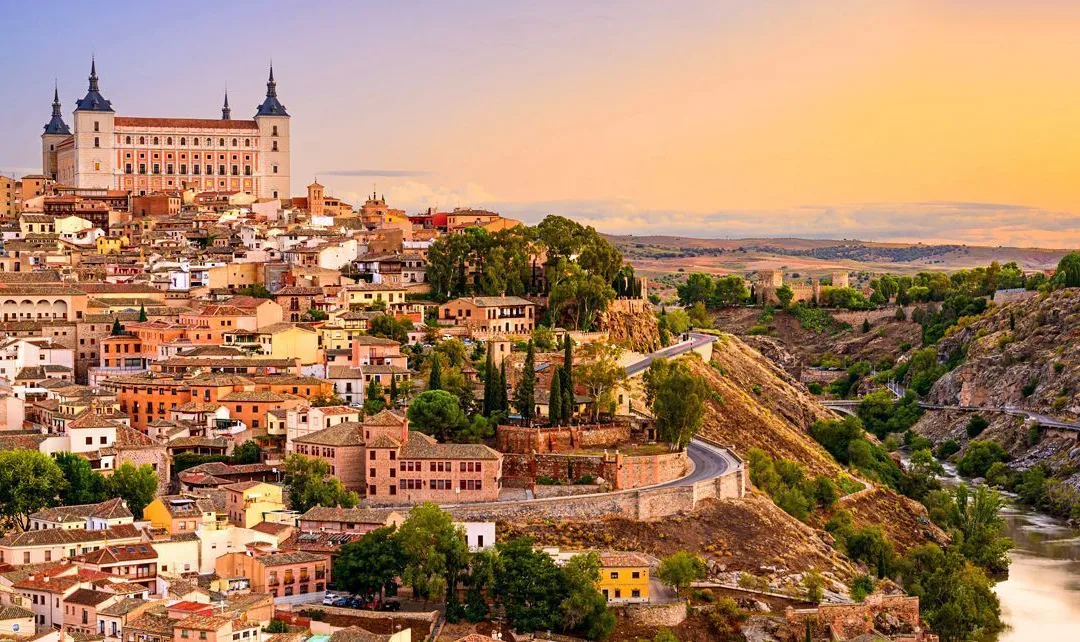
Toledo, the "City of Three Cultures," is a testament to the rich Islamic heritage that flourished during the Al-Andalus era. This enchanting city, once a prominent center of Islamic culture and learning, offers a wealth of historical sites that showcase the grandeur of Muslim Spain. This day tour guide will help you explore the essential Islamic heritage sites in Toledo, providing an immersive and enriching experience for Muslim travelers.

1. Puerta de Bisagra

Start your journey at the Puerta de Bisagra, an impressive city gate originally built by Muslims. The gate's design reflects Islamic architectural influences, with its grand arches and fortified towers. This historic entryway sets the tone for your exploration of Toledo's rich Islamic past.

2. Mezquita del Cristo de la Luz

Your next stop is the Mezquita del Cristo de la Luz, one of the best-preserved examples of Islamic architecture in Toledo. Built in the late 10th century, this mosque features beautiful horseshoe arches and intricate brickwork. The interior, with its serene and contemplative atmosphere, offers a glimpse into the spiritual life of the Muslim community in Al-Andalus. The site also includes a Christian chapel, highlighting Toledo's unique cultural fusion.

3. Alcázar of Toledo

Visit the Alcázar of Toledo, a grand fortress with roots dating back to the Islamic era. While the current structure has undergone various changes, its origins as a Muslim fortress remain evident. The Alcázar's imposing presence and strategic location underscore its historical significance during the time of Al-Andalus.

4. Puente de Alcántara

Cross the historic Puente de Alcántara, a stone bridge that spans the Tagus River. Originally built by the Romans and later enhanced by Muslims, this bridge features fortified towers and arches that reflect the Islamic architectural style. The bridge offers stunning views of Toledo and its picturesque surroundings.

5. Palacio de Galiana

Explore the Palacio de Galiana, a beautiful palace with Islamic architectural elements located just outside the city center. This serene retreat, surrounded by lush gardens, reflects the Muslim emphasis on creating paradisiacal spaces. The palace provides a peaceful escape and a glimpse into the luxurious lifestyle of the Islamic elite.

6. Toledo Cathedral

While predominantly a Gothic structure, Toledo Cathedral was built on the site of a former mosque, symbolizing the city's Islamic heritage. Inside, you can find Mudéjar influences in some of the design elements, blending Islamic and Christian artistic styles. The cathedral's bell tower, originally part of the mosque's minaret, stands as a testament to Toledo's layered history.

7. Museum of Santa Cruz

This museum houses a diverse collection of artifacts, including pieces from the Islamic period. The museum building itself features Mudéjar architecture, which blends Islamic and Christian artistic styles, providing a fitting end to your journey through Toledo's Islamic heritage.

8. Mosque of Tornerías

Conclude your day with a visit to the Mosque of Tornerías (Mezquita de las Tornerías). This 11th-century mosque is a prime example of Islamic architecture in Toledo. It has been beautifully preserved and now serves as a cultural center. The mosque's interior showcases typical Islamic decorative elements, such as horseshoe arches and intricate geometric designs. It offers a serene atmosphere for reflection and a deeper understanding of Toledo's Islamic past.

Unveiling Cordoba’s Islamic Heritage: A One-Day Tour Guide

Unveiling Cordoba’s Islamic Heritage: A One-Day Tour Guide

Exploring Islamic Heritage Sites in Cordoba: A Day Tour Guide

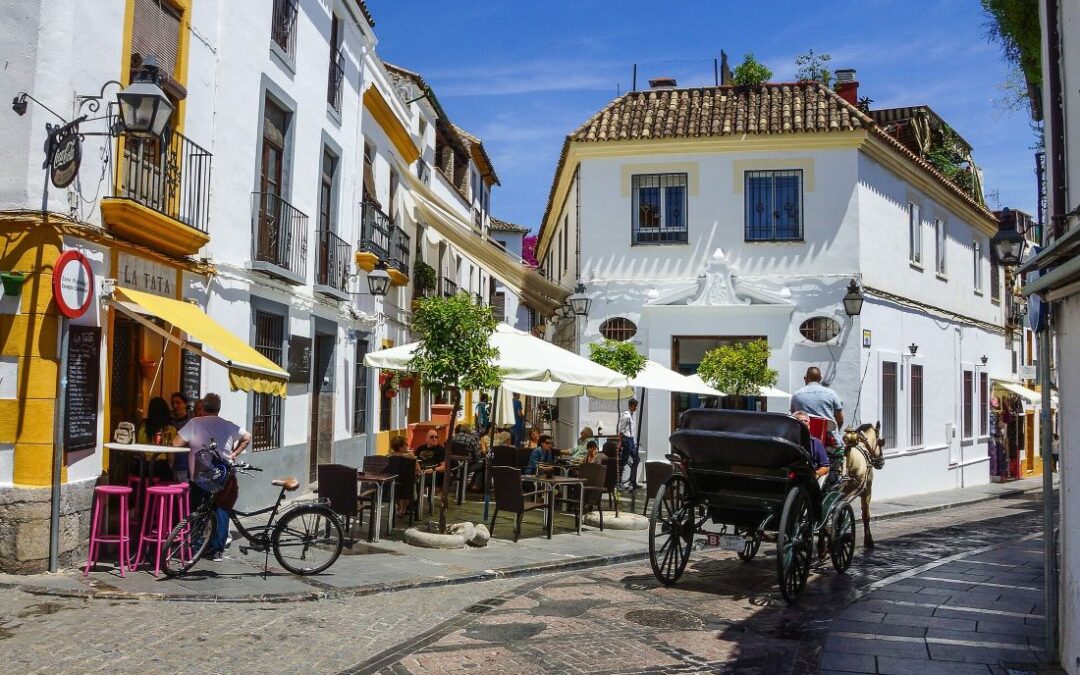
Cordoba, a jewel of Al-Andalus, is renowned for its rich Islamic heritage. Once the capital of the Umayyad Caliphate in Spain, Cordoba boasts a plethora of historical sites that reflect the grandeur of Islamic art, architecture, and culture. This day tour guide will help you explore the essential Islamic heritage sites in Cordoba, ensuring a memorable and enlightening experience.

1. The Great Mosque of Cordoba (La Mezquita)

Start your day at the iconic Great Mosque of Cordoba, also known as La Mezquita. This UNESCO World Heritage site is a masterpiece of Islamic architecture. Its vast prayer hall, with its striking red and white horseshoe arches, intricate mosaics, and richly decorated mihrab, offers a glimpse into the splendor of Islamic Spain. The mosque's impressive minaret, now a bell tower, provides a panoramic view of the city.

2. Alcázar of the Christian Monarchs (Alcázar de los Reyes Cristianos)

Next, head to the Alcázar of the Christian Monarchs. While the current structure is primarily from the Christian period, the site was originally a Muslim fortress. Explore the beautiful gardens, reflecting pools, and fountains that evoke the Islamic garden tradition. The Alcázar also offers insights into the city's transformation through different historical periods.

3. Medina Azahara

A short drive from the city center, visit Medina Azahara, the ruins of a vast, ornate palace-city built by the Umayyad Caliphate. This archaeological site provides a fascinating look at the opulence and sophistication of Islamic Cordoba. Wander through the remains of palaces, mosques, and gardens while imagining the splendor of this once-thriving city.

4. Calahorra Tower (Torre de la Calahorra)

Return to the city and visit the Calahorra Tower, an Islamic fortress that now houses the Museum of Al-Andalus Life. The museum offers interactive exhibits that explore the cultural and scientific achievements of Islamic Spain. Climb to the top for stunning views of the Roman Bridge and the cityscape of Cordoba.

5. Municipal Souk of the Crafts (Zoco Municipal de la Artesanía)

This traditional craft market, located in the heart of the Jewish Quarter, offers a variety of handmade goods, from ceramics to leather products. The market's architecture and ambiance are reminiscent of the bustling souks of the Islamic world.

6. Caliphal Baths (Baños del Alcázar Califal)

End your day with a visit to the Baños del Alcázar Califal, the Caliphal Baths. These well-preserved Arab baths date back to the 10th century and offer a glimpse into the social and cultural life of Islamic Cordoba. The baths feature beautiful arches, columns, and mosaics, creating a serene and reflective atmosphere.