Top 10 things to do when visiting Cordoba, Andalusia

Top 10 things to do when visiting Cordoba, Andalusia

Top 10 things to do when visiting Cordoba, Andalusia

Boasting a fascinating and multi-faceted history, Córdoba is one of the most popular tourist destinations in Spain. From its iconic Mosque-Cathedral to the beautiful flower-adorned patios open to the public every May, this is a city with something for everyone.
Read on for the 10 best things to see and do in Córdoba.

Mosque-Cathedral

Going to Córdoba and not visiting the Mezquita-Catedral would be like leaving the Alhambra out of a trip to Granada: it is the city’s greatest monument. After the Moors captured Córdoba in 711, what had previously been a Visigoth Christian church was split in two and used by both Christians and Muslims as a place of worship. But in 784, on the orders of the Emir Abd al-Rahman, the church was destroyed and work began on a great mosque. Construction lasted for over two centuries. The building was eventually completed in 987, by which point Cordoba was the most important city in the Islamic Kingdom.

When the city was reclaimed by Christians in 1236, the mosque was converted into a church, and in the 16th century Charles V added a Renaissance nave on top of the Moorish structure. The hybrid structure that resulted has fascinated, outraged and confused in equal measure ever since.

1 Calle del Cardenal Herrero, Córdoba, Spain, +34 957 47 05 12

The façade of Córdoba’s Mosque-Cathedral I © waldomiguez/Pixabay


Medina Azahara

Córdoba’s Mosque-Cathedral takes some beating as a historical attraction, but Medina Azahara – situated some 8km (5 miles) outside the city – is just as intriguing. In the middle of the 10th century, ‘The Shining City’ was the adminstrative capital of Al-Andalus, as Moorish-ruled Spain was then known. Construction started in 936 on the order of the Umayyad Caliph of Cordoba, Abd-ar-Rahman III al-Nasir.

Additions and alterations continued for decades, but in 1010 Azahara was looted and thereafter stood deserted for centuries. Its remains were not discovered until the beginning of the 20th century.

Although they only account for about 10% of the original city, they nevertheless give you a good idea of just how magnificent Medina Azahara must have been.

Carretera Palma del Río, km 5.5, Córdoba, Spain, +34 957 10 36 37

Medina Azahara was once the most important city in Andalusia I © -JvL-/Flickr


Old-school tapas bars

Given that Córdoba is the warmest city in Europe, sightseeing here in spring and summer can be seriously thirsty work. Luckily, the old part of the city is absolutely stuffed with bars that might not look like much from the outside, but which serve some of the best tapas in town.

These old-school places are usually full of locals (always a good sign) and are worth it for their wonderfully chaotic atmosphere as well as for the unbelievably cheap home-cooked food. A must-order in such places is salmorejo – a more substantial version of gazpacho that originated in Cordoba.

Particularly good is Taberna La Sacristia near the Palacio de Viana, where you can gaze upon walls plastered with antique bullfighting paraphanelia as you refuel.

3 Calle Alarcón López, 3, Córdoba, Spain, +34 606 40 69 89

Try salmorejo – the city’s most famous dish I © mlgutierrez820/Pixabay

Roman Temple

One of the pleasures of visiting Córdoba is being able to view monuments from all three of its most defintive epochs: Roman, Moorish and Christian. It was not until the 1950s, when Cordoba’s town hall was being expanded, that the remains were discovered.

It was built during the reign of Emperor Claudius in the middle of the 1st century AD and was renovated in the 2nd century AD. Of its giant columns, 10 remain, reaching up into the sky amid modern apartment blocks and offices. Archaeologists have theorised from the quality of marble and workmanship used in the construction of the temple that it must have been a particularly impressive structure, perhaps even one of the most beautiful in the Roman Empire.

Calle Capitulares, s/n, Córdoba, Spain, +34 957 20 17 74

Córdoba’s Roman Temple, discovered in the 1950s I © waldomiguez/Pixabay

Roman Bridge

The city’s famous Roman Bridge, or Puente Romano, dates from the 1st century BC and was extensively rebuilt in the 10th century during the Moorish occupation of the city.

Sitting low over the opaque waters of the Guadalquivir river, which flows down all the way through Andalusia and out into the Atlantic, it is supported by 17 stone arches, of which just two once belonged to the original structure. The middle of the bridge, next to a 17th century statue of Saint Raphael, is the perfect spot from which to survey Cordoba and the green, hilly countryside that surrounds it: it’s a perspective that even locals stop to enjoy while walking over the Puente Romano.

Avenida del Alcázar, s/n, Córdoba, Spain

Córdoba's Roman bridge What to See and Do in Cordoba

Córdoba’s Roman bridge | © Javier Orti/flickr

Patios and courtyards

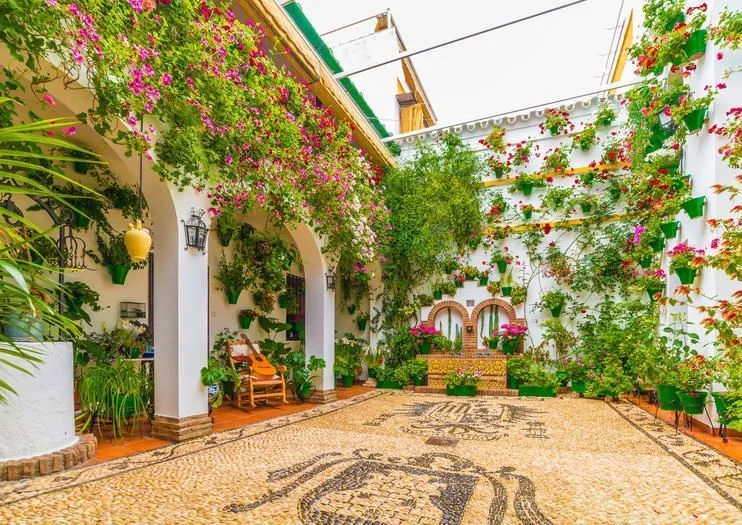
Córdoba’s prettiest and most unique attractions arose from architectural necessity. The city is one of the hottest in Europe during the summer months, when temperatures frequently exceed an insufferable 40°C (104°F), so it has always been essential for its inhabitants to have a cool retreat for the middle of the day.

As far back as the Roman occupation of Cordoba, houses were built with an internal, open-aired atrium, which was protected from the sun on all sides by thick stone walls. Over the centuries, these havens of cool and shade were decorated with flowers, plants and fountains – a practice that was refined during the Moorish occupation of Córdoba.

Since 1918 the Feria de los Patios, as it’s called, has been sponsored by Córdoba’s town hall, which offers a prize for the prettiest patio.

Flower's patios what to see and do in Cordoba Andalusa

One of Córdoba’s stunning decorated patios I | © poperopop/Pixabay

Palacio de Viana

The star of Córdoba’s patios feria is the elegant 15th-century Palacio de Viana, a vast building that has been used over the centuries as a residence for Spanish royalty. For an admission price of €5 (US$5.56), you can visit Viana’s 13 patios and gardens.

Intricately designed and aromatically populated with colourful plants, flowers and trees, these are some of Córdoba’s most gorgeous public spaces.  Allow a good hour to slowly wander around these scented, romantic spaces. Peering in through the palace’s old windows as you go; another age of louche affluence and amorous intrigue, once played out amongst Viana’s orange trees and jasmines, comes instantly back to life.

2 Plaza de Don Gome, Córdoba, Spain, +34 957 49 67 41

Beautiful gardens at the Palacio de Viana I © Encarni Novillo

Calleja de las Flores

The annual patios feria and the Palacio de Viana aren’t the only opportunities for seeing the famous flowers of Córdoba. A stroll down most streets in the old quarter will take you past several gorgeously-decorated building facades, but on the Calleja de las Flores every single house looks like something out of a fairytale.

Situated just north of the Mosque-Cathedral in the heart of the old town, this sweet-scented, colourful little street is the prettiest in Córdoba – and in a city where every other house is worthy of being on a postcard, that is quite a compliment.

Calleja de las Flores, Cordoba, Spain

Córdoba’s Calleja de las Flores is lined with the city’s prettiest houses I © tpsdave/Pixabay


Alcazar de los Reyes Cristianos

Often overlooked in favour of the Mosque-Cathedral, the Castle of the Christian Kings is one of the city’s key architectural landmarks. As its name suggests, the construction of this royal palace was ordered by the Catholic King Alfonso XI of Castile in 1328 but – as is so often the case in Andalusia – it was built among the ruins of a vast Moorish fort.

In the late 10th century, when the Islamic Kingdom was at the height of its powers, Córdoba was the kingdom’s – and indeed one of the world’s – great intellectual cities, and the Alcazar housed the largest library in the west. Alfonso used only a fraction of the remains of the original Moorish structure in building the Alcazar, but he chose a Mudejar style, so the Moorish feel of the site has been preserved.

Plaza Campo Santo de los Mártires, s/n, Córdoba, Spain, +34 957 42 01 51

Córdoba’s Castle of the Christian Kings I © Pixels4Free/Pixabay


Bullfighting Museum

Córdoba is steeped in bullfighting history, and you can visit a monument of its most famous matador, Manolete (1917-1947), in Plaza del Conde de Priego in the old town; right opposite the square is Iglesia Santa Marina, where many Córdobese bullfighters have been married. Also well worth a visit is superb Museo Taurino, or bullfighting museum, which offers a fascinating insight into this controversial spectacle.

Plaza Maimónides, s/n, Córdoba, Spain, +34 957 20 10 56


Written by Mark Nayler for The Culture Trip
What to Do and See while visiting Malaga?

What to Do and See while visiting Malaga?

Must-Visit attractions in Málaga


Málaga is home to some of Andalusia’s greatest historical monuments, such as the Moorish Alcazaba fortress and the stunning Roman amphitheater. But that’s not all: from a restaurant where you can eat kangaroo while enjoying live flamenco to a museum showcasing the works of a Málaga-born painter who revolutionized 20th-century painting, here are the city’s top 20 attractions.


The Alcazaba

Alcazaba | © Ronny Siegel/Flickr

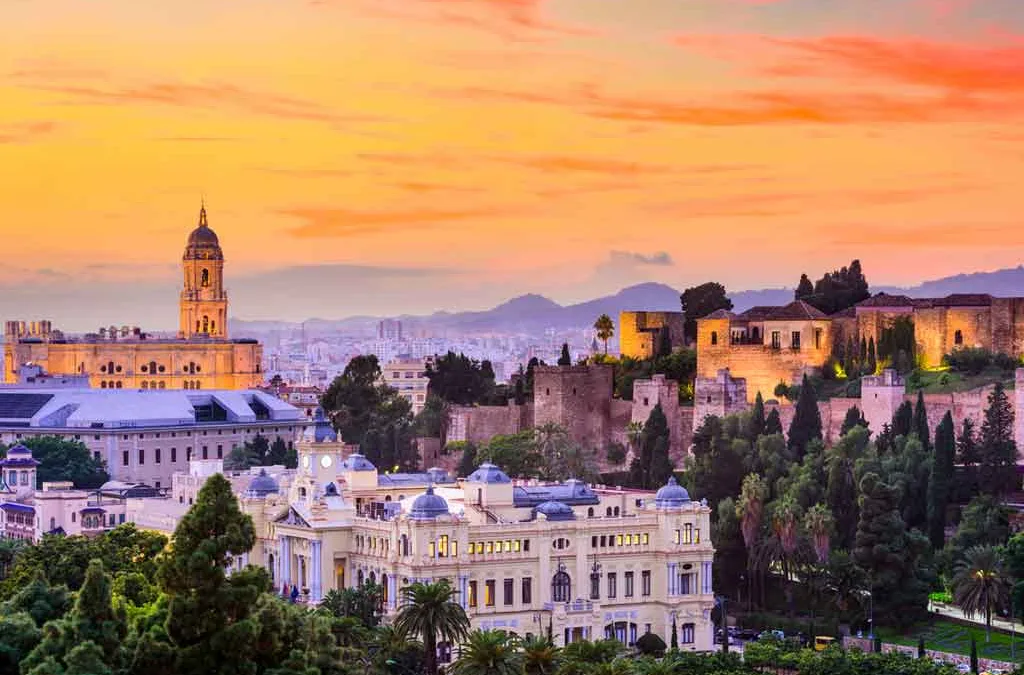
The Moorish rulers of southern Spain built the Alcazaba Fortress, it is the best-preserved Moorish citadel in Spain, on the remains of a Roman fortification around the middle of the 8th century. Though it doesn’t have the grand interiors of its; more famous counterpart in Granada, this amazingly preserved fortress is every bit as beguiling as the Alhambra.

The fort was extensively rebuilt by the Sultan of Granada in the 11th century and connected up to the nearby Gibralfaro Castle by a Nasrid King in the 14th century. One of the most notable features of the Alcazaba is how effortlessly it fits into the hillside above Málaga, while inside it is a maze of secret courtyards, open-air corridors and battlements that command incredible views out to sea and over the city’s rooftops.


Roman Theatre

Malaga’s Alcazaba, with the Roman theatre in the foreground I © Ronny Siegel/Flickr


Málaga’s Roman theatre is the oldest monument in the city and one of the few remaining Roman structures in Andalusia. Its location at the foot of the Alcazaba makes this part of Málaga’s center one of the most historically significant – and beautiful – sites in southern Spain. Built during the 1st century AD, the theatre was in use until the 3rd century AD, after which it fell into disuse until the Moors settled in Málaga in the 8th century. They showed little respect for this once-magnificent place of entertainment and plundered it for material with which to build the Alcazaba. Only in 1951 was it rediscovered – during the construction of an arts center, fittingly – and it opened to the public in 2011 after a complicated and lengthy restoration. Now it once again stages concerts and plays and features an informative visitors’ center.

Teatro Romano, Calle Alcazabilla, S/N, Málaga, Spain, +34 951 50 11 15


Gibralfaro Castle

Walls of the Gibralfaro castle, Málaga I © Paul Barker Hemmings/Flickr


Built in the 10th century by the Caliph of Cordoba, this formidable hilltop castle was enlarged in the 14th century by the Sultan of Granada. Walking along the length of its turrets, you can survey the ocean and the surrounding landscape for miles and miles; no wonder, then, that the Catholic Monarchs Ferdinand and Isabella needed three months to take the castle from the Moors in the famous Siege of Málaga in 1487 – and even then, they won only because their besieged foes ran out of food and water. Like the Alcazaba, to which it was connected in the 14th century, the Gibralfaro is exceptionally well preserved, and has been expertly restored where necessary, enabling you to understand why it was once considered the most impregnable fortress in mainland Spain.

Castillo de Gibralfaro, Camino Gibralfaro, S/N, Málaga, Spain, +34 952 22 72 30


Cathedral

Málaga cathedral
Málaga cathedral | © JESHOOTS/Pixabay

Málaga’s great cathedral, one of the city’s key architectural attractions, is known locally as ‘La Manquita’, or ‘The One-Armed Woman’, due to its uncompleted second tower. Built between 1528 and 1782 near to the site of an early Almohad mosque, original plans for this huge Renaissance and Baroque-style cathedral had included two towers, but the second was never built because of a lack of funds. Construction dragged on for over two hundred years before the Mayor of Málaga commissioned Aragonese architect José Martín de Aldehuela (1729–1802) to finish the cathedral off in the late 18th century. Aldehuela’s other iconic contributions to the province include Ronda’s stunning ‘New Bridge’ and bullring.

Pablo Picasso Museum

56-3692640-1435095745bd698f0573ff4654b6cdbadfa5ebabee
The Museo De Picasso on the Plaza De La Merced | The Museo De Picasso on the Plaza De La Merced I © Llecco/WikiCommons


After lunch or drinks at El Pimpi, pop next door to the superbly maintained Picasso Museum to admire the work of Málaga’s most famous son. The museum was opened in 2003 by Christine and Bernard Ruiz-Picasso, Picasso’s daughter-in-law and grandson, and the permanent collection features over 200 works from every stage of Picasso’s eclectic career. Over the next three years (from March 2016), the museum will also be displaying a further 166 Picasso pieces – some of them rarely displayed to the public before.

Malaga Port 

Málaga’s stunning port I © Nick Kenrick/Flickr


Over recent years, the oldest continually-operated port in Spain has been transformed into one of the most Málaga’s most aesthetically pleasing and vibrant areas, mainly with the addition of the tropical-feeling ‘Palm Garden of Surprises’ along the promenade.

At the far end, near Málaga’s historial bullring, is the Pompidou Centre – Málaga’s answer to the famous Parisian gallery, topped with a giant, multi-coloured cube – and the Paseo del Muelle Uno, a lively thoroughfare lined with bars and restaurants that leads to the Malagueta beach. This is now a great area for an early evening stroll, or from which to watch the enormous cruise liners come and go on their voyages around the Mediterranean.

Cenre Pompidou Málaga, Muelle Uno, Puerto de Málaga, Pasaje Doctor Carrillo Casaux, s/n, Muelle 1, Málaga, +34 951 92 62 00 

Plaza Merced

One of old Málaga’s central squares is Plaza de la Merced, on which Pablo Picasso was born in 1881: nowadays, it is lined with bars and restaurants with sun-drenched terraces, making it a great place to hang out. The fact that it’s favoured by street performers of all kinds means there’s likely to be live entertainment as you enjoy your tapas, too. Venturing off Plaza Merced itself, the neighbourhood of La Merced itself is a hedonist’s playground: Calle Alamo is lined with super-trendy bars and clubs and gives way to the equally popular Calle Carreteria, on which you’ll find La Tranca, the tapas joint of choice for La Merced’s locals.

De la Merced Market

Exploring Málaga’s key architectural attractions can be thirsty work, especially in spring or summer, but there is no shortage of places to eat and drink in the city centre. One of the coolest spots to grab a cold beer and some tapas is Mercado de la Merced: reopened in October 2015 after a six-month makeover, Mercado de la Merced is now one of the trendiest places to eat and drink in the city, as well as being a den of culinary innovation and excellence. The market’s 22 stalls offer everything from cured hams, fresh fish and vegetables to designer tapas bars and sushi stalls. The market is situated in the heart of the super-cool La Merced neighbourhood and just a five minute walk from Málaga’s old town.
4 Calle Merced, Málaga, Andalucía, 29012, Spain


What to Do and See while visiting Seville?

What to Do and See when visiting Seville?


The city of Seville boasts a rich history of over 2,200 years with numerous civilisations and eras behind its name. Several well-preserved historic sites such as the Alcázar, Torre del Oro, City Hall, Palace of San Telmo and the Cathedral of St. Mary can be witnessed in the city at present, and exude an atmosphere of old-world charm. A wealth of museums and galleries are also found in Seville to offer a deeper understanding of the city’s much talked-about history.

In addition to being a cultural hub of the country, Seville has plenty more to offer travellers. Seville is home to a population of 700,000 residents and is considered to be the top destination in the Andalucia area of Spain. The city is abuzz with festivals and color through parts of the year, with decorative processions and lively fairs being amongst the highlights.

The city spans across an area of over 149 square kilometres at a height of 7 metres above sea level and offers a subtropical climate. It is believed to have one of the hottest summers in Europe and has an average yearly temperature of 25 °C. The city itself is divided into 11 separate districts, namely Casco Antiguo, Distrito Sur, Triana, Macarena, Nervión, Los Remedios, Este-Alcosa-Torreblanca, Cerro-Amate, Bellavista-La Palmera and San Pablo-Santa Justa.


Things to Do and See in Seville

  • Giralda Tower
  • Seville Cathedral
  • Real Alcazar of Seville
  • Plaza de España
  • Maria Luisa Park
  • Museo de Bellas Artes (Seville)
  • The Archaeological Museum
  • The Casa de Pilatos
  • Palace of the Countess of Lebrija


Halal Restaurants

There are quite a few Halal dining options and Halal restaurants in Seville. Some of the popular places include Al- Medina, As-Sawirah, Fez Restaurante, Casa de Abdul, Don Raimundo, Al Diuan, Aladin and Andalucia Kebab. However it is recommended that you check with the restaurant owners about the preparation of food and availability of Halal menus prior to dining.


Mosques

The Islamic Center of Sevilla and the Masjid al Hidaya are the main mosques that serve Seville. A number of other mosques are also found in the city.


Find here all the tips for your Catalonia trip!

Find here all the tips for your Catalonia trip!

Catalonia Holiday Planning Guide


The fierce spirit of Catalonia region and its inhabitants has shaped the history of Spain and, often, the rest of Europe. Its diverse land is home to the metropolis of Barcelona and numerous smaller urban centers, villages, and resorts, many of which are packed with sightseeing possibilities and tourists year-round.

Despite commercialization and urbanization, much of Catalonia has managed to retain the wild, unblemished beauty that initially drew visitors to Spain. Its main geographical feature is the mighty Pyrenees range, dominating a landscape of green valleys dotted with sleepy rural communities, ancient monasteries, and working vineyards ideal for day trips.


Places to Visit in Catalonia


Castle Miravet Catalonia Trip Spain

Barcelona: Spain’s second-largest city and the capital of Catalonia, Barcelona is a vibrant center of culture, arts, and breathtaking architecture.

Costa Brava: A very popular tourist destination, the coast offers seaside relaxation and some of the best opportunities for sightseeing in Catalonia.

Costa Dorada: Miles of sandy beaches, scenic countryside, and charming towns and villages make Catalonia’s “Golden Coast” a perfect getaway destination.

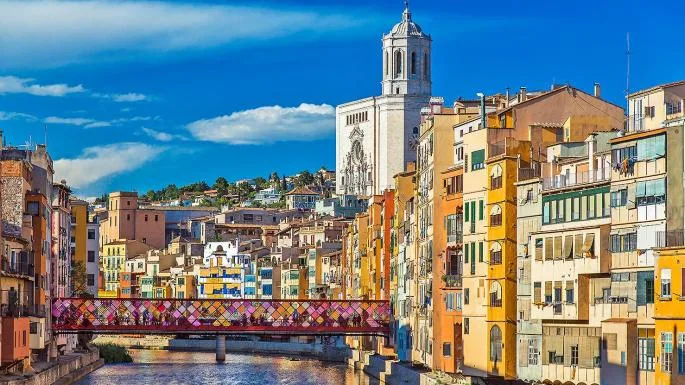
Girona: The city where history comes alive, Girona lets you experience the true Catalan spirit while wandering through cobbled streets and admiring medieval structures.

Salou: With its golden beaches, countless activities to choose from, and a lively nightlife scene, the town is a great spot for a summer holiday in Catalonia.

Sitges: Combining a selection of beaches, rich cultural life, and cozy atmosphere, Sitges serves as a true seaside oasis just outside Barcelona. The town’s open-minded atmosphere makes it one of Europe’s favorite destinations for LBGT visitors.

Olot: Renowned for its welcoming atmosphere and rich cultural heritage, this historic town is surrounded by volcanic peaks that provide breathtaking views of the surrounding countryside.

Tarragona: From ancient monuments to gems of modern architecture, Tarragona offers an opportunity for travelers who want to experience all the perks of Barcelona but in a more tranquil package.

Lloret de Mar: One of the most popular resort towns on Costa Brava, Lloret de Mar showcaseslong, open beaches and secluded coves perfect for diving and snorkeling, as well as several historical sights worth visiting.


Things to Do in Catalonia

Popular Catalonia Tourist Attractions

La Sagrada Familia: Gaudi’s masterpiece and one of the most famous buildings in the world, the basilica is the must-see symbol of Barcelona.

Park Güell: Admire the views and wander through this magical complex of gardens, mosaics, and architectural features designed by Gaudi.

PortAventura World: Experience a huge selection of thrill rides spread throughout various themed areas at one of Europe’s largest amusement parks.

Casa Batlló: Known locally as “The House of Bones,” this famous Gaudi work is one tourist attraction in Catalonia that you shouldn’t miss.

El Barri Gòtic: The historic heartland of Barcelona, this area provides the perfect place to get lost in a labyrinth of winding streets and admire the buildings and squares dating back to the Middle Ages.

Dali Theatre-Museum: Located at a former theater in Salvador Dali’s hometown of Figueres, the museum was partially designed by the painter himself and houses a great collection of his works.

Camp Nou: The home of FC Barcelona and one of the world’s most famous grounds, Camp Nou is the perfect addition to any soccer fan’s Catalonia itinerary.

El Cafè de la Pedrera: With its recognizable curvy lines and unique details, this building serves as a stellar monument to Gaudi’s genius.

PortAventura Caribe Aquatic Park: Taste the Caribbean spirit at Costa Dorada with slides, splash pools, and activities for visitors of all ages.

Magic Fountain (Font Magica): Admire the show of lights, music, and water at one of the major sights of the Montjuic neighborhood of Barcelona.


Planning a Catalonia Vacation with Kids

Places to Visit in Catalonia with Kids

There are few Mediterranean destinations better-suited for a family vacation than Catalonia. Towns and hotels across the region feature facilities specifically designed to accommodate the youngest visitors, and you’ll find an endless supply of places to visit in Catalonia with your family.

Apart from the remotest villages, almost every town in Catalonia offers enough attractions to keep you and your family entertained. Even the popular tourist resorts, such as Lloret de Mar are peaceful enough for a family vacation, and then, of course, there’s Barcelona, a bustling metropolis that is certain to captivate visitors of all ages.

Things to Do in Catalonia with Kids

Whenever you plan to visit, you’ll find an abundance of things to do in Catalonia with kids. In the summer, the beaches alone offer an endless amount of fun for families, with soft sand, calm water, and plenty of facilities. A visit to PortAventura World provides water rides, shows, and aquatic playgrounds of all kinds. If you’re traveling to Catalonia in winter, try Rialp, where you’ll find some of the best and most family-friendly ski resorts in all of Spain.

Probably the greatest hub of tourism in Catalonia is its capital Barcelona, where the whole family can admire the magical works of Gaudi and enjoy an array of activities. For soccer fans, both young and old, a tour of Camp Nou will be an unforgettable experience (but be prepared to pay a hefty price if you attend a match or want to purchase memorabilia).

Tips for a Family Vacation in Catalonia

Catalonia is generally a very safe and convenient destination for traveling families. Many towns, cities, and attractions feature many amenities and are easily navigable with a stroller. Just keep an eye on the kids while walking through the historic quarters, because they might get lost in the crowds and winding alleys. Beaches are some of the main tourist attractions in Catalonia, but not all of them have lifeguards. With the hot summer weather, make sure your family is well protected from the sun.


Shopping in Catalonia

Keen shoppers traveling to Catalonia will discover that the local selection of shops is more than ample for most visitors. Naturally, Barcelona, the region’s largest city, is also the shopping capital of Catalonia. Here you’ll find anything from large shopping malls to the small independent stores, and goods that include the world’s largest brands to the products of local craftspeople and designers. In addition to being popular with the locals, some of these stores have become true attractions of Catalonia. This is especially the case with local markets such as La Boqueria, where you can experience a whole world of local tastes, shapes, and colors in one place. A true treat for both kids and adults, Barcelonines makes traditional Catalan rag dolls. Bargain hunters in Catalonia will find numerous antique shops to browse through, and art enthusiasts can discover a selection of galleries, including Galeria Tarraco.

10 Good Halal Restaurants in Spain | Safar Salama Tours

10 Good Halal Restaurants in Spain you MUST try!

Halal food in Spain may not be hard to find as you think! The cultural impact of Al-Andalus is still evident today in Spain as Muslim tourists will find a warm and friendly welcome wherever they go with an acceptance for their culture. This article focuses on some of the best, must-try Halal restaurants in Spain.

Granada

1. Restaurante Arrayanes

Granada is famous for its multitudes of quality Halal restaurants. If you’re looking Moroccan cuisine, this is the place. Situated at the foot of the Albayzin Hills, the restaurant is beautifully decorated with rugs and Islamic decor. The word on the street is that their Shawarma is to die for.

More information on Restaurante Arrayanes here!

Sevilla

3. Aladdin Halal

In the mood for kebab in Sevilla? Aladdin Halal is definitely the place for quality kebab. Situated just across the Catedral De Sevilla, the restaurant is owned by a friendly Syrian family that maintains a strictly halal menu. Prices are reasonable and the ambience is lovely. You can always relax and smoke Hookah with your friends after your meal.

More information on Aladdin Halal here!

Cordoba

4. Laorkebab

Run by Pakistani business owners, Laorkebab is said to serve some of the best Shawarma in Cordoba. They offer a full halal menu with Biriyani, Kebabs, Shawarmas and Rotti. They do serve alcohol but only if requested by non-Muslim visitors.

More information on Laorkebab here!

Barcelona

5. Lal Qila

Situated right in the heart of Barcelona, Lal Qila is the Best place for Durum Kebab in the city. They offer great value for your money with high-quality meat and delicious sauces. They staff is great and the atmosphere is lovely.

More information on Lal Qila here!

6. Restaurante Liban

If you are looking for a delicious Lebanese meal, this is the place. Liban is one of the best halal family run restaurants in Barcelona. The food is freshly prepared and handled with delicacy. The prices are moderate and they serve large portions. The decor is relatively modern with soft Arabic music playing in the background giving it an overall cosy atmosphere.

Madrid

7. Taberna La Alhambra

Located in the heart of Madrid, La Alhambra is a great family restaurant that is affordable and easy to commute to from anywhere in Madrid. They serve Arabic, Mediterranean, Moroccan, Indian and European dishes. The majority of their cuisine is Halal, however, they serve fine wines to foreigners.

8. Bombay Palace

Situated across from central Madrid in Salamanca, Bombay Palace is famous for its delicious Indian cuisine among locals as well as foreigners. The menu is mostly Halal except for Chicken. Reservations are needed to dine here but the friendly staff will always find a way accommodate customers without reservations.

9. Alzahra Restaurant

The official restaurant of the Madrid Central Mosque. Alzahra is the ideal Islamic restaurant with designated prayer rooms, Shisha lounges and Islamic cuisine from many countries. Alcohol is strictly forbidden here and people are expected to wear traditional Islamic clothes. Prices are a bit expensive but the top notch service and the quality of food are excellent and worth the price.

Valencia

10. Balansiya Restaurant

Balansiya is one of the best restaurants in Valencia and the best Halal restaurant in the region. The decor is amazing with Moroccan style furniture, Arabic ornaments and Persian rugs all over the place with Moroccan music playing in the background. The food is delicious, delicate and affordable. Non-alcoholic mocktails are quite popular among regular visitors. Apart from the incredible authentic Morrocan dishes, Balansiya offers an extensive menu with Mediterranean and Arabic cuisines.

Spain (Europe): Best Halal Friendly Destination

Spain (Europe): Best Halal Friendly Destination

HALAL TOURISM IN SPAIN

Spain is a destination that adapts to the tastes of Muslim tourists in services, accommodation and food


If you are looking for a country that takes your needs into account and makes you feel comfortable during your holidays, we recommend Spain.

Spain is a country that accommodates all religions and during your stay you’ll notice that a large number of hotels are able to adapt to meet the needs of Muslim clients.

With regard to food, you’ll be pleased to know that Spain is famous for its healthy Mediterranean diet, with loads of recipes based around vegetables and fish, and many based on Arab cuisine.

In Spain, certain products and services have the Halal Certification awarded by the Halal Institute, which guarantees that they meet the requirements demanded under Islamic law.
This certification is particularly associated with food products but is increasingly being awarded to hotels, restaurants, cosmetic companies, Arab baths, etc. You will find more information on the Halal Institute Certificate.

Halal restaurants and hotels

The list of restaurants with halal options in Spain is extensive and you will always find vegetarian options or dishes with the ingredients you want: gazpacho, paella, ajoblanco, pil pil cod and many other ideas that are sure to suit your tastes.
There are already restaurants with Halal Certification, such as El Faro (in Marbella) and Los Almendros (in Cordoba); and in certain establishments, if you request them in advance they can prepare dishes using ingredients governed by Sharia or Islamic law. What is more, there are an increasing number of high quality, successful initiatives such as the restaurant Noor, from chef Paco Morales, in Cordoba, the first to specialise in halal haute cuisine. In any case, if you have any doubts, we recommend consulting the establishment where you would like to eat. You can also use the most popular online restaurant search engines (yelp.com, thefork.com, etc.) to search for halal establishments in Spanish destinations.
As regards accommodation, you’ll find a wide variety of high quality, family-friendly establishments with a pleasant atmosphere.  The Alanda Hotel Marbella has become the first to obtain the certificate from the Halal Institute, offering services aimed at the Islamic market, such as very strict dishes, special areas for prayer, etc. Also, in cities such as Madrid, you will find hotel chains that indicate the direction of Mecca in their guest rooms, or which have prayer rooms.

List of Halal-certified and Halal-friendly establishments.

Religious services in airports

In the Adolfo Suárez Madrid-Barajas airport, there are two mosques situated in the public area of the exits to terminals T2 and T4. Halal meals are also served in the Aena VIP lounges.
In the Málaga-Costa del Sol airport there is a multi-faith prayer room which welcomes all religions including Islam, located in the arrivals hall of terminal T3. This room has no images and one of the walls is decorated with different material and special lighting, facing Mecca, for prayer.
In the Barcelona-El Prat airport there is also a multi-faith prayer room situated in terminal T1, with no type of decoration at all.
The same is the case in the airports of Gran Canaria and  Tenerife Sur. Each one is equipped with a multi-faith prayer room with no images or religious symbols.
In Melilla Airport, in the public facilities in the check-in area, there is a wash basin adapted for ablution prior to ‘salat’.
250 Official Masjid in Spain

In Spain there are more than 250 official mosques and Islamic religious centres. In fact the official Spanish Ministry of Justice web page offers a places of worship search engine where you will find a a list of such places.

Masjid of Cordoba Spain for Muslim TravelersOn our web page, you will see that we provide you with the addresses of the large mosques in the main tourist destinations. Simply go to the destination you are interested in: Madrid, Valencia, Alicante, Granada, Málaga or Marbella or check the next link to find the contact details and their location on the map.

List of mosques here

Religious celebrations

Many Muslims choose cities like Cordoba and Granada to spend Ramadan because of the number of hours of sunlight. During Ramadan, some institutions such as the Casa Arabe, Cordoba City Council and the Halal Institute organise activities such as the Noches de Ramadán in Cordoba, a special programme of activities that includes films, workshops, talks, exhibitions, concerts, etc.